

Thrifting vs. Buying New: How to Build a Wardrobe Safely
Share
The Dilemma: Thrifting vs. Buying New for Your Little One
As a parent, you are constantly balancing the desire to provide the best for your child with the reality of a budget. Babies grow out of clothes in the blink of an eye, leading many to wonder: Is it better to thrift or buy new? While thrifting is eco-friendly and budget-conscious, it comes with hidden risks that every parent should know.
The Problem: The Hidden Dangers in the Fabric
We all love a good bargain, but cheap, fast-fashion garments—whether bought new or found in a thrift bin—often contain hidden costs. Standard textile manufacturing uses harsh chemicals, heavy metals in dyes, and formaldehyde to prevent wrinkles. When you thrift, you are also inheriting whatever the previous owner used, from scented detergents to chemical fabric softeners that can linger for years in the fibers.
The Agitation: Why Your Baby's Skin is at Risk
A baby's skin is up to five times thinner than an adult's, making it incredibly porous and sensitive. When we dress them in materials treated with flame retardants or washed in synthetic fragrances, we are exposing them to potential endocrine disruptors and allergens. Cheap synthetic fabrics like polyester don't breathe, which can lead to overheating and painful skin rashes. Thrifting without a strategy means you might be bringing these irritants directly into your nursery without realizing it, compromising the very comfort you are trying to provide.
The Solution: Building a Safe, Sustainable Hybrid Wardrobe
The secret to a safe and stylish wardrobe lies in the hybrid approach. You don't have to choose one or the other. Here is how to build a wardrobe safely:
- Invest in Organic Cotton for Base Layers: Anything touching your baby's skin—onesies, sleepers, and vests—should be bought new and made from GOTS-certified organic cotton. This ensures the fabric is free from toxic pesticides and harmful dyes.
- Thrift for Outerwear and Occasion Wear: Items like denim jackets, winter coats, and formal dresses that don't sit directly against the skin are perfect candidates for thrifting.
- Know Your Sources: When buying new, choose brands committed to transparency. When thrifting, look for high-quality natural fibers like wool or linen which hold up better over time than synthetics.
How to Clean Thrifted Finds Safely
If you do choose to thrift, safety starts with the laundry room. Use a deep-cleaning method to strip the clothes using a mixture of baking soda and white vinegar to remove old detergent buildup. Wash on the highest temperature setting recommended on the care label to kill any lingering bacteria or dust mites, and always use a fragrance-free, plant-based detergent.
Final Thoughts on Conscious Parenting
Building a wardrobe for your child is about more than just aesthetics; it is about health and sustainability. By choosing organic cotton for essentials and thrifting thoughtfully for the rest, you create a safe environment for your baby to grow while being kind to the planet. Start your journey today by prioritizing quality over quantity and choosing fabrics that protect your little one's future.
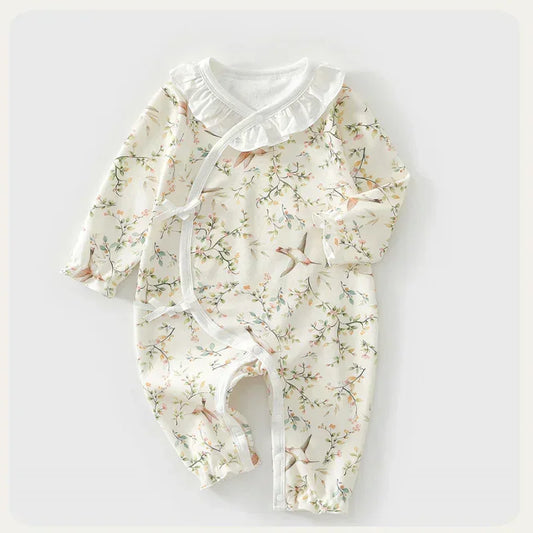
![[2-Pieces Set] 100% Cotton Long-Sleeve Kimono Romper - Blue & Blue Stripe](http://www.organiccottonclubs.com/cdn/shop/files/2_afd198b870f106588ecfc526d714b7a8.jpg?v=1764440625&width=533)


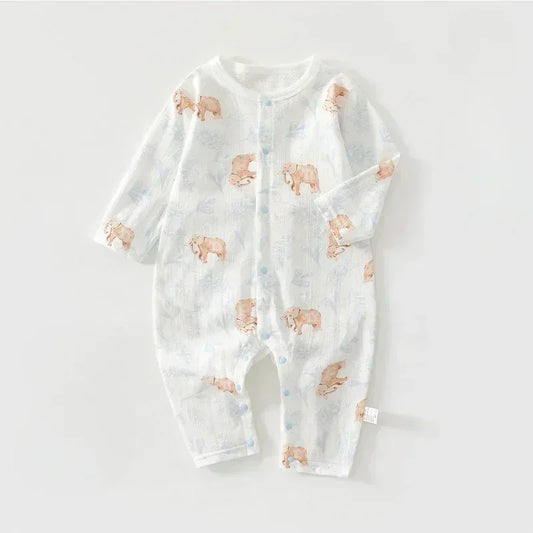
![[2-Pieces Set] 100% Cotton Long Sleeve Side-Snap Bodysuit - Pink & Pink Stripe](http://www.organiccottonclubs.com/cdn/shop/files/2_e34e329d03103a1ef2a830ed0f72d8f4.jpg?v=1759165907&width=533)
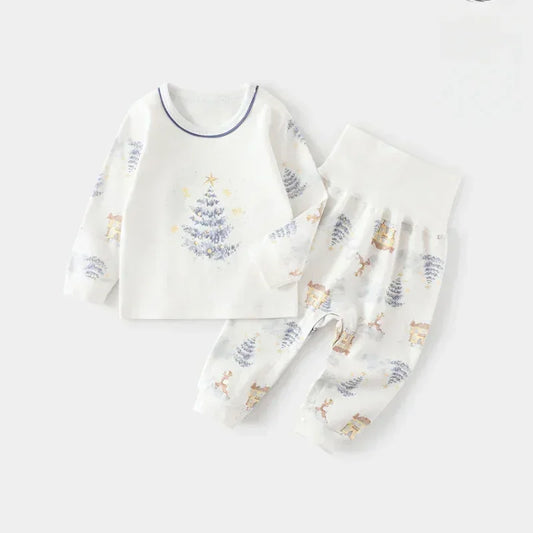
![[2-Pieces Set] 100% Cotton Long Sleeve Snapup Romper - Green & Green Stripe](http://www.organiccottonclubs.com/cdn/shop/files/4_dcde8d24f74c34bd214567f4011b27d7.jpg?v=1759166636&width=533)