

Toxic Chemicals Hidden in Baby Clothing Labels
Share
The Hidden Danger in Your Baby's Nursery Drawer
As a parent, your primary instinct is to protect your child. You research the best car seats, the safest cribs, and the most nutritious first foods. But there is one invisible threat that often goes overlooked: the clothing resting against your baby's delicate skin. The modern textile industry relies heavily on a cocktail of chemicals to produce cheap, fast-fashion garments. While those tiny onesies might look adorable and affordable, the hidden cost to your baby's health could be significant.
The Problem: Why Conventional Baby Clothes Aren't What They Seem
Most conventional baby clothing is treated with a variety of chemicals during the manufacturing process. From the pesticides used to grow the cotton to the heavy metal dyes used to create vibrant colors, the journey of a single garment is paved with toxins. For many parents, the struggle begins with unexplained skin rashes, eczema flare-ups, or respiratory sensitivities. We trust that if a product is on a store shelf, it must be safe. Unfortunately, regulatory standards for textile chemicals lag far behind the latest health research, leaving your newborn vulnerable to endocrine disruptors and known carcinogens.
The Agitation: The Vulnerability of Newborn Skin
Why should you be concerned? A baby's skin is significantly different from an adult's. It is up to five times thinner, meaning it lacks a fully developed barrier to block out environmental toxins. Furthermore, babies have a higher surface-area-to-volume ratio, which means they absorb a higher concentration of chemicals relative to their body weight. When synthetic fabrics like polyester or chemically-treated cotton rub against their skin, the agitation is both physical and internal. Formaldehyde is often used to prevent mildew and wrinkling during overseas shipping. Phthalates are found in plasticized screen prints. Flame retardants are added to sleepwear. These substances don't just stay on the fabric; they migrate to the skin and can even be inhaled as volatile organic compounds (VOCs). The frustration of trying to heal a baby's chronic skin irritation while unknowingly dressing them in the very source of the problem is a cycle many parents face.
The Solution: Navigating the World of Organic and Safe Fabrics
The transition to a non-toxic wardrobe doesn't have to happen overnight, but understanding what to look for is your greatest tool. The solution lies in transparency and certification. By prioritizing natural fibers and checking labels for specific safety standards, you can drastically reduce your child's toxic load.
- Look for the GOTS Seal: The Global Organic Textile Standard (GOTS) is the gold standard for organic fibers, ensuring the entire supply chain meets strict environmental criteria.
- Avoid Easy-Care Labels: Phrases like 'wrinkle-free' or 'stain-resistant' are red flags for chemical finishes like formaldehyde or PFAS.
- Choose Water-Based Dyes: Seek out brands that use low-impact or water-based dyes, which are free from heavy metals.
- Prioritize Breathable Fibers: Organic cotton and linen are naturally breathable and less likely to harbor moisture that leads to skin irritation.
- Pre-Wash Everything: Always wash new clothes with a scent-free, hypoallergenic detergent to remove any residual processing agents.
Final Thoughts
Your baby's health is a journey of a thousand small decisions. Choosing non-toxic clothing is an investment in their long-term well-being and a commitment to a cleaner planet. By becoming a conscious consumer and reading beyond the price tag, you are creating a sanctuary for your child to grow and thrive. Start small, focus on the layers closest to their skin, and rest easy knowing you are making the safest choice for your little one.
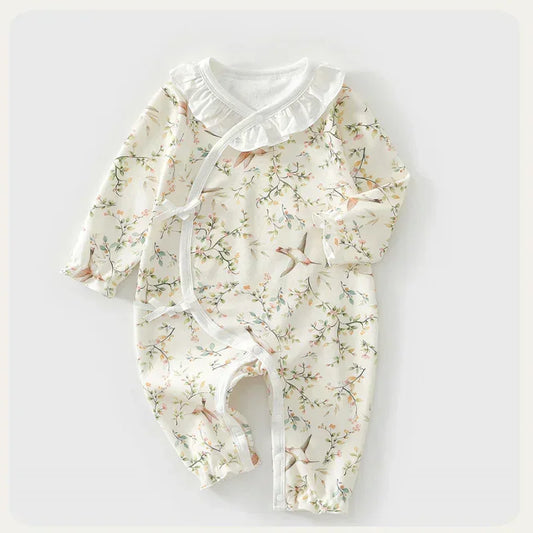
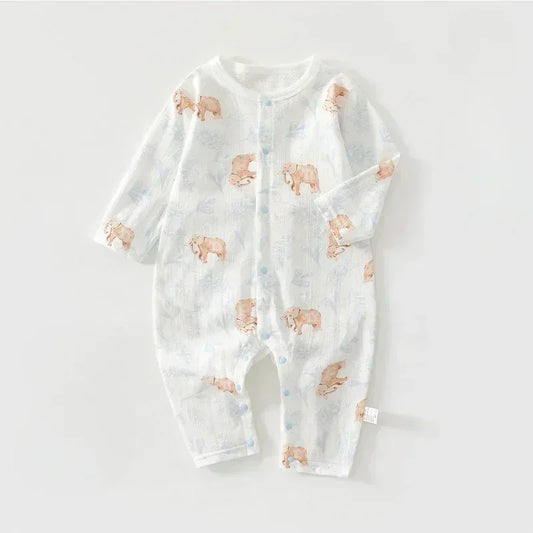
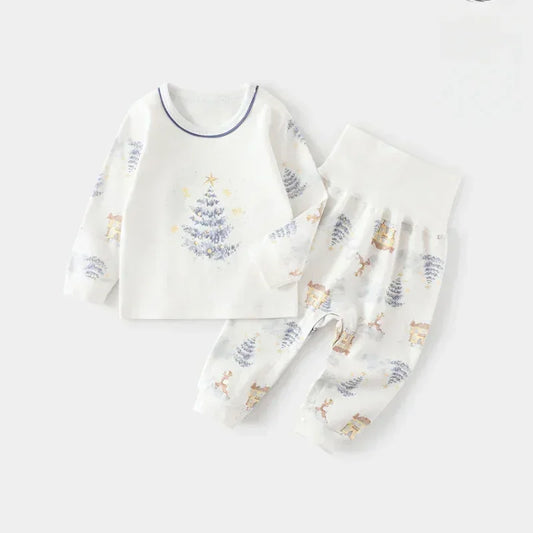
![[2-Pieces Set] 100% Cotton Long-Sleeve Kimono Romper - Blue & Blue Stripe](http://www.organiccottonclubs.com/cdn/shop/files/2_afd198b870f106588ecfc526d714b7a8.jpg?v=1764440625&width=533)

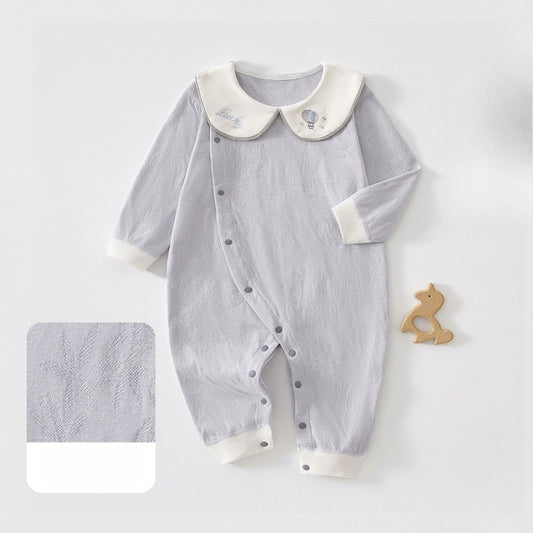

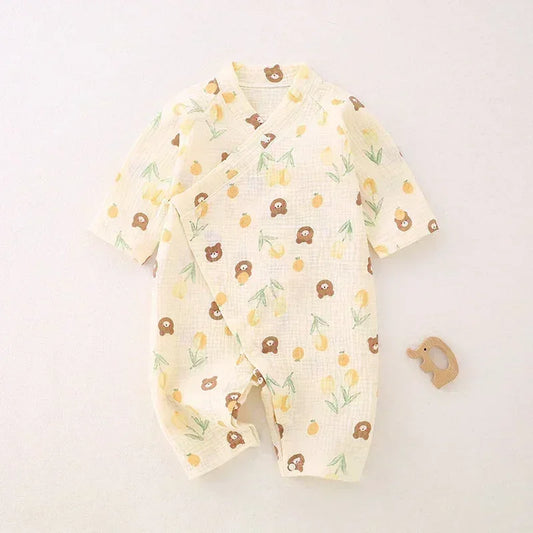
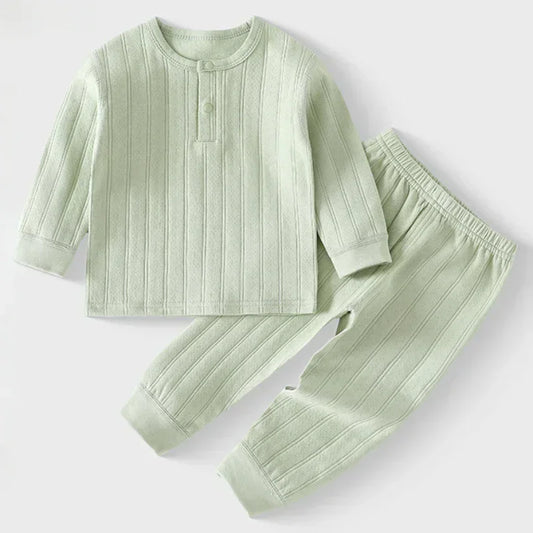
![[2-Pieces Set] 100% Cotton Long Sleeve Side-Snap Bodysuit - Pink & Pink Stripe](http://www.organiccottonclubs.com/cdn/shop/files/2_e34e329d03103a1ef2a830ed0f72d8f4.jpg?v=1759165907&width=533)
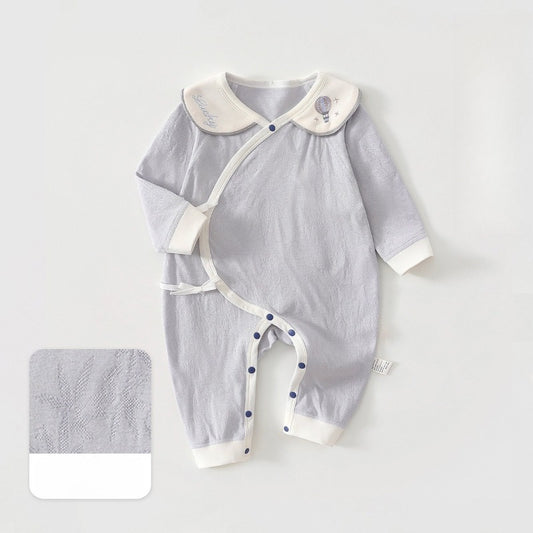
![[2-Pieces Set] 100% Cotton Long Sleeve Snapup Romper - Green & Green Stripe](http://www.organiccottonclubs.com/cdn/shop/files/4_dcde8d24f74c34bd214567f4011b27d7.jpg?v=1759166636&width=533)