

Toxic Dyes in Fast Fashion: What to avoid when buying bright baby clothes.
Share
The Hidden Cost of Vibrant Baby Outfits
Every parent wants their baby to look adorable in bright, cheerful colors. We browse the aisles of popular fast-fashion retailers, mesmerized by the rainbows of tiny onesies and dresses. However, there is a silent problem lurking beneath those vivid hues. Most mass-produced baby clothing relies on heavy chemicals and synthetic dyes to achieve those neon pinks and deep blues, posing a risk to your little one's delicate skin.
The Problem: Toxic Dyes and Fast Fashion
Fast fashion thrives on speed and low costs, which often means cutting corners on safety and sustainability. To produce high-saturation colors cheaply, manufacturers frequently use heavy metals like lead, mercury, and chromium. They also utilize azo dyes, which can release aromatic amines—known carcinogens. When these garments are mass-produced, the priority is the price tag, not the long-term health of the infant wearing the garment.
The Agitation: Why Your Baby's Skin is at Risk
Why does this matter so much for babies? An infant's skin is up to five times thinner than an adult's. This makes it significantly more permeable, meaning chemicals from clothing are more easily absorbed into their bloodstream. Cheap dyes can cause immediate reactions like contact dermatitis, rashes, and unexplained itching. Beyond the skin, some of these chemicals are linked to endocrine disruption, which can interfere with hormone development during critical growth phases. That $5 bright yellow shirt doesn't seem like such a bargain when you consider the toxic load it places on a developing body.
The Solution: Safe and Sustainable Choices
The good news is that you don't have to sacrifice style for safety. Transitioning to a non-toxic wardrobe for your baby is simpler than it sounds. By choosing organic materials and being mindful of certifications, you can protect your child while supporting a cleaner planet.
Look for GOTS Certification
The Global Organic Textile Standard (GOTS) is the gold standard for organic fibers. A GOTS-certified garment ensures that the entire supply chain—from harvesting to labeling—meets strict ecological and social criteria. Most importantly, it prohibits the use of toxic heavy metals, formaldehyde, and aromatic solvents.
Opt for Low-Impact and Natural Dyes
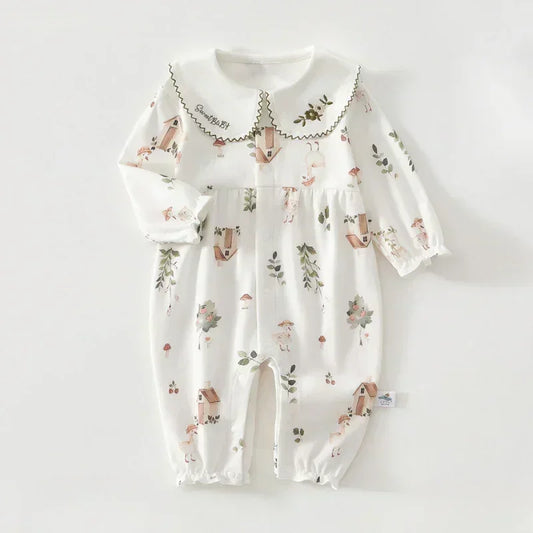
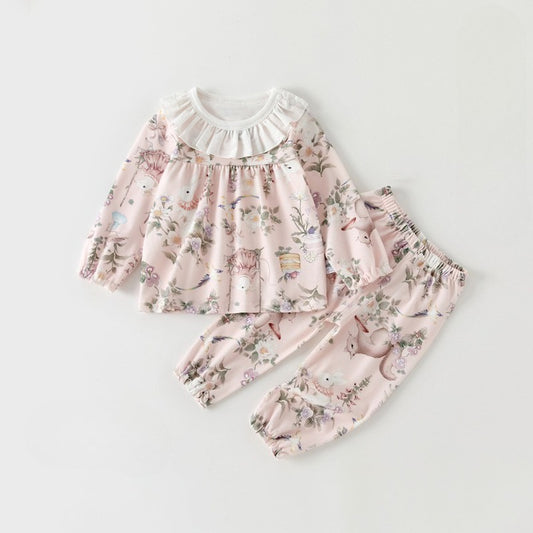
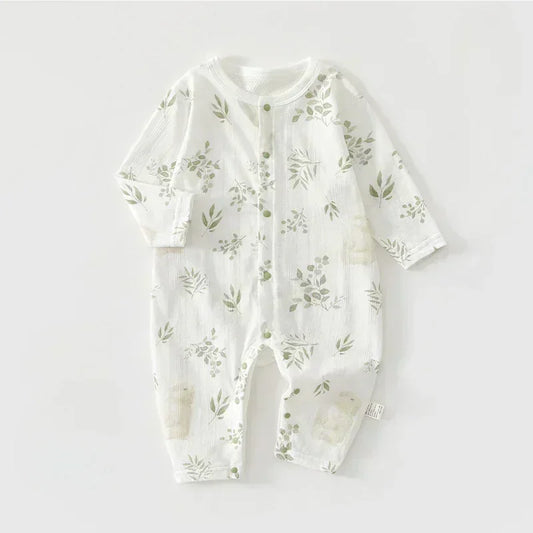
When shopping, look for brands that specify the use of low-impact dyes or plant-based pigments. These alternatives require less water and are free from the harsh fixatives found in conventional fast fashion. Earthy tones like sage, terracotta, and cream are often safer bets than neon or fluorescent colors.
- Choose GOTS or OEKO-TEX Standard 100 certified fabrics.
- Wash new clothes at least twice before the first wear to remove surface residues.
- Avoid 'wrinkle-free' or 'stain-resistant' labels, which often indicate formaldehyde treatments.
- Support brands that are transparent about their manufacturing process.
Final Thoughts on Choosing Better
Choosing baby clothes shouldn't be a source of anxiety, but being an informed consumer is the best way to protect your family. By moving away from fast fashion and toward organic, responsibly dyed clothing, you are investing in your child's health and a more sustainable future. Start small, replace essentials first, and enjoy the peace of mind that comes with knowing what is touching your baby's skin is truly safe.
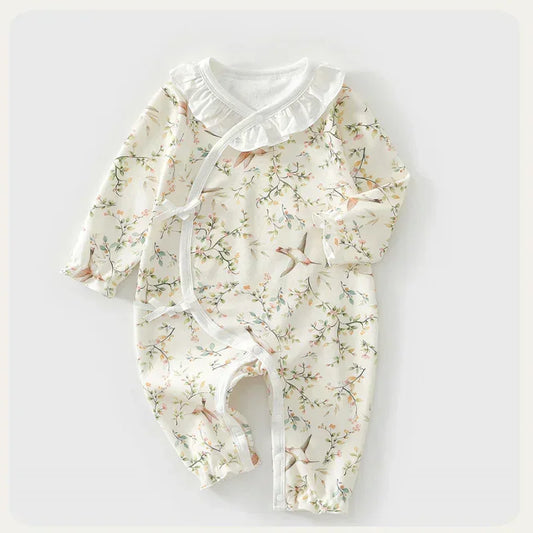
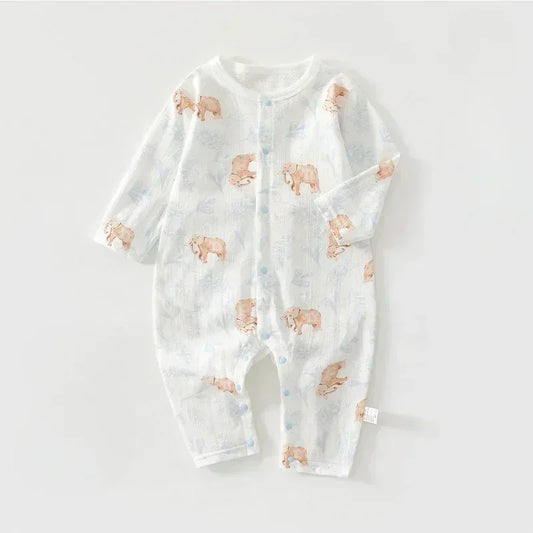
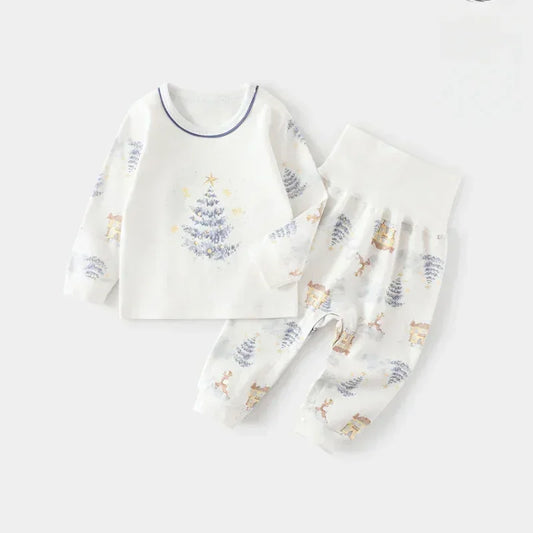
![[2-Pieces Set] 100% Cotton Long-Sleeve Kimono Romper - Blue & Blue Stripe](http://www.organiccottonclubs.com/cdn/shop/files/2_afd198b870f106588ecfc526d714b7a8.jpg?v=1764440625&width=533)


![[2-Pieces Set] 100% Cotton Long Sleeve Side-Snap Bodysuit - Pink & Pink Stripe](http://www.organiccottonclubs.com/cdn/shop/files/2_e34e329d03103a1ef2a830ed0f72d8f4.jpg?v=1759165907&width=533)
![[2-Pieces Set] 100% Cotton Long Sleeve Snapup Romper - Green & Green Stripe](http://www.organiccottonclubs.com/cdn/shop/files/4_dcde8d24f74c34bd214567f4011b27d7.jpg?v=1759166636&width=533)