

Tummy Time Positions: 5 Ways to Help Babies Who Hate It.
Share
Tummy Time Positions: 5 Ways to Help Babies Who Hate It
For many new parents, 'tummy time' is a phrase that triggers immediate anxiety. You know it is essential for your baby’s development—strengthening those tiny neck, shoulder, and back muscles—but the moment you place your little one on their belly, the screaming starts. It feels less like a developmental exercise and more like a battle of wills. If your baby treats tummy time like a personal affront, you are not alone. Most babies find the sensation of gravity pulling on their heavy heads to be frustrating and exhausting. However, the 'tummy time dread' is often compounded by factors we rarely consider, such as the environment and the materials we place our babies on.
The Sensory Nightmare: Why Your Baby Might Be Protesting
Before we dive into the positions, we need to talk about the 'why.' Why do some babies scream the second their chest hits the floor? While physical exertion is a major factor, the sensory experience is often the culprit. Many standard play mats and nursery rugs are made from synthetic polyesters or treated with harsh flame retardants and chemicals. To a baby with ultra-sensitive skin, these fabrics can feel scratchy, abrasive, and hot. When a baby is struggling to lift their head, the last thing they want is a cheek pressed against a piece of plastic-feeling fabric that causes friction and skin irritation. This 'agitation' makes the physical challenge of tummy time feel insurmountable. Switching to a high-quality, organic cotton surface can transform the experience from a sensory nightmare into a soft, breathable, and soothing environment.
1. The Chest-to-Chest Connection
The most natural and comforting way to start tummy time is not on the floor, but on you. Lie back on a recliner or a pile of pillows at a 45-degree angle and place your baby on your chest, heart-to-heart. In this position, your baby is motivated to look up at your face. The familiar scent of your skin and the sound of your heartbeat provide a sense of security that a cold floor cannot match. This position is significantly easier for babies who hate the floor because the incline reduces the force of gravity, making it easier for them to lift their heads and gaze into your eyes.
2. The Football Hold (Tummy Down Carry)
If your baby is particularly fussy or prone to reflux, 'active' tummy time while being carried can be a game-changer. Cradle your baby face-down along your forearm, with their head resting near your elbow and your hand supporting their crotch. This is often called the 'football hold.' As you walk around the house, the gentle movement provides vestibular input, and the baby will naturally attempt to lift their head to see the world passing by. It is a productive way to build strength without the stress of being 'put down.'
3. Lap Tummy Time
This is a fantastic transitional position. Sit on a comfortable chair or the sofa and place your baby face-down across your lap. You can raise one of your legs slightly higher than the other to create a gentle incline, which helps the baby use their upper body muscles more effectively. Your hands are right there to rub their back or pat their bottom, providing the physical touch they crave. This proximity reduces the 'separation anxiety' that often accompanies being placed on a play mat.
4. The Bolster Method (Using a Rolled-Up Organic Towel)
Sometimes a baby just needs a little bit of leverage. Take a soft, organic cotton towel or a small receiving blanket and roll it into a firm bolster. Place it under your baby’s chest, making sure their arms are forward over the roll. This props them up just enough to take the 'heavy' feeling out of their head, allowing them to focus on reaching for toys or looking at a mirror. Because their face is so close to the prop, ensuring that the fabric is 100% organic cotton is vital to prevent inhalation of microplastics or chemical off-gassing found in many synthetic foam pillows.
5. The Mirror Magic and Eye-Level Engagement
Babies are narcissists in the best way possible—they love looking at themselves! Place a baby-safe mirror on the floor in front of them. Alternatively, get down on your belly yourself. If you are on the floor with them, looking them in the eye and talking in 'parentese,' they are much more likely to endure the physical work. Distraction is a powerful tool. When they are focused on the 'other baby' in the mirror or your animated facial expressions, they forget that they are actually exercising.
The Benefits of Organic Cotton for Tummy Time
Choosing the right foundation for these exercises isn't just about aesthetics; it is about health and comfort. When your baby is doing tummy time, their mouth and nose are inches away from the surface. Here is why organic cotton is the superior choice:
- Hypoallergenic Properties: Organic cotton is grown without pesticides, meaning no toxic residues are touching your baby’s delicate skin.
- Breathability: Unlike polyester, cotton allows air to circulate, preventing your baby from overheating during their 'workout.'
- Superior Softness: Long-staple organic cotton fibers provide a silky-smooth surface that minimizes friction and 'rug burn' on soft baby cheeks.
- Non-Toxic Environment: Since babies often lick or chew on their mats, organic materials ensure they aren't ingesting harmful dyes or chemicals.
Final Thoughts
Tummy time doesn't have to be a period of suffering for you or your baby. By shifting the focus from 'mandatory floor time' to 'quality bonding time'—and by ensuring the sensory environment is as comfortable as possible with organic materials—you can turn those tears into triumphs. Remember, even one or two minutes of these positions several times a day adds up. Be patient, stay close, and keep it soft.
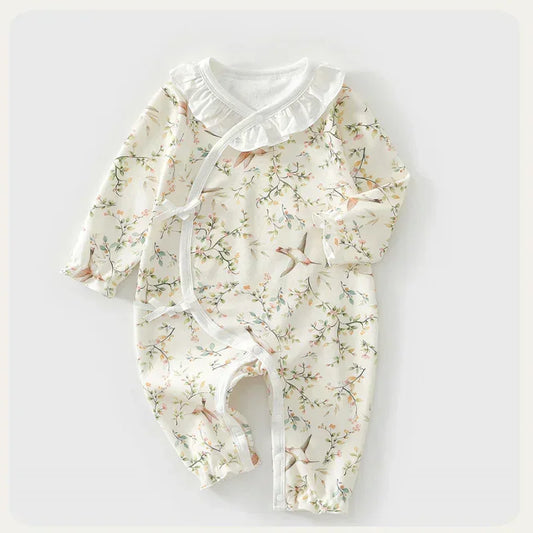
![[2-Pieces Set] 100% Cotton Long-Sleeve Kimono Romper - Blue & Blue Stripe](http://www.organiccottonclubs.com/cdn/shop/files/2_afd198b870f106588ecfc526d714b7a8.jpg?v=1764440625&width=533)


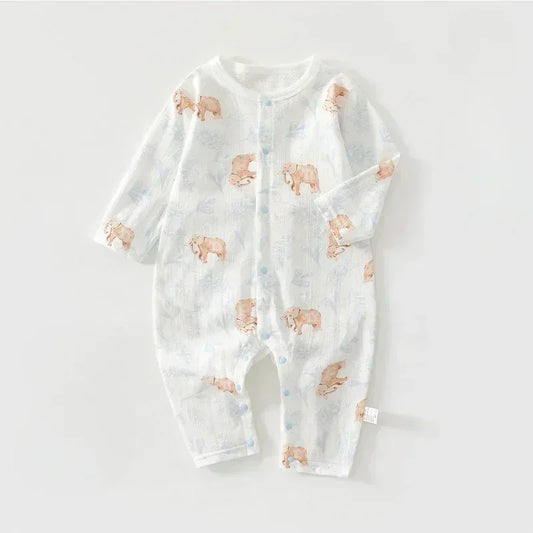
![[2-Pieces Set] 100% Cotton Long Sleeve Side-Snap Bodysuit - Pink & Pink Stripe](http://www.organiccottonclubs.com/cdn/shop/files/2_e34e329d03103a1ef2a830ed0f72d8f4.jpg?v=1759165907&width=533)
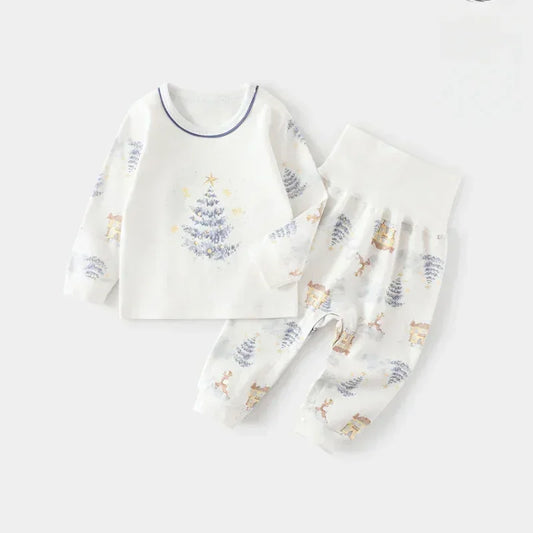
![[2-Pieces Set] 100% Cotton Long Sleeve Snapup Romper - Green & Green Stripe](http://www.organiccottonclubs.com/cdn/shop/files/4_dcde8d24f74c34bd214567f4011b27d7.jpg?v=1759166636&width=533)