


Typical Daily Routine of a Baby (0-3 Months)
Share
Navigating the Fourth Trimester: A Guide to Your Babys First Routine
The first three months of your babys life are often referred to as the fourth trimester. It is a period of intense growth, bonding, and, let us face it, pure exhaustion for parents. You might find yourself staring at the clock at 3 AM, wondering if you will ever find a rhythm or if your little one will ever stop fussing. This lack of predictability does not just drain your energy; it leaves you feeling disconnected and overwhelmed. The struggle to establish a sense of normalcy while recovering from childbirth and managing a household is a monumental task that every new parent faces. Without a structured approach, the days blend into one long cycle of feeding and crying, leaving little room for the joy of parenthood.
The Hidden Impact of Your Babys Environment
Many parents focus solely on the timing of a routine—when to feed and when to nap. However, have you considered how the materials touching your babys skin affect their ability to settle? Agitating a babys sensitive skin with cheap, synthetic materials can derail even the best-planned schedule. Scratchy polyester and chemical-laden dyes cause micro-discomforts that lead to shorter naps and increased irritability. When your baby is physically uncomfortable, their routine suffers, and so does your peace of mind. Overheating is another common issue with non-organic fabrics, which can lead to a restless baby who wakes up frequently. This physical agitation makes it nearly impossible for a newborn to transition through sleep cycles effectively, keeping you trapped in a cycle of overtiredness.
The Organic Solution for a Happy Routine
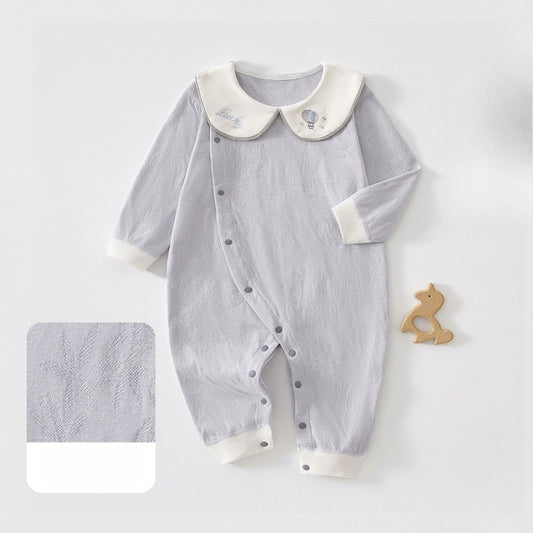
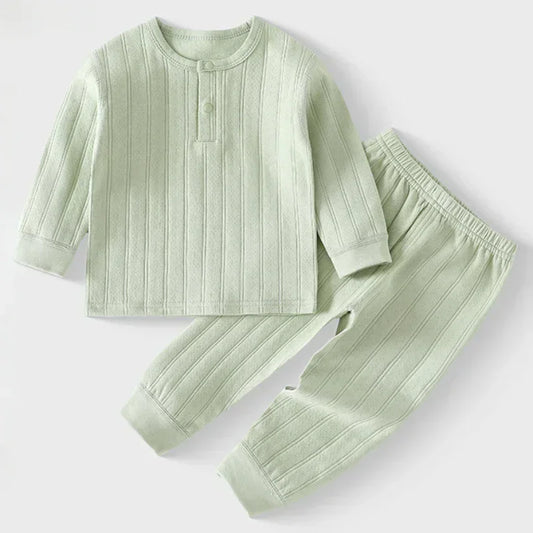
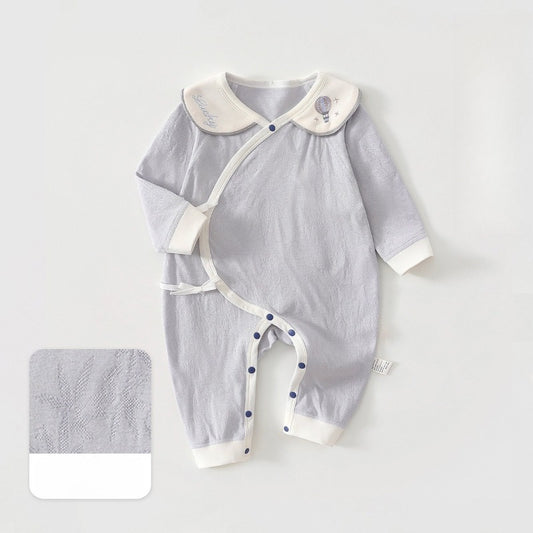
Transitioning to a gentle routine starts with physical comfort. By choosing organic cotton essentials, you provide a breathable, hypoallergenic environment that helps your baby self-soothe and stay asleep longer. A typical routine for a 0-3 month old follows the Eat, Wake, Sleep cycle. This method ensures that your baby is full when they wake up, has energy for a brief period of stimulation, and then goes down for a nap while they are drowsy but not yet overtired. Organic cotton swaddles and sleepers are essential here; they regulate temperature and feel like a second skin, reducing the likelihood of wake-ups due to discomfort. By prioritizing high-quality materials, you are not just buying clothes; you are investing in better sleep and a calmer household.
Understanding Sleep Cues and Wake Windows
During the first 12 weeks, wake windows are incredibly short, usually lasting between 60 to 90 minutes. Recognizing sleep cues is vital to maintaining the routine. If you wait until your baby is crying, they are already overtired, making it much harder for them to fall asleep. Look for subtle signs like staring into space, pulling at ears, or a slight redness around the eyes. When you see these, it is time to transition to a quiet, dark environment. Utilizing organic cotton sleep bags can signal to your babys brain that it is time to wind down. Consistency in these cues and the environment will eventually help your baby understand when it is time for rest, leading to more predictable stretches of sleep for everyone involved.
Sample Daily Schedule for 0-3 Months
While every baby is unique, here is a flexible framework to guide your day:
- 7:00 AM - Morning Wake-Up: Open the curtains to let in natural light. Provide a full morning feed and change them into a fresh organic cotton outfit.
- 8:00 AM - Morning Nap: After a short period of quiet play, look for sleep cues. A 45-60 minute nap is common here.
- 10:00 AM - Mid-Morning Activity: Feed again. This is a great time for tummy time on a clean, organic surface to help build those essential neck muscles.
- 1:00 PM - Restorative Afternoon Nap: This is usually the longest nap of the day. Ensure the room is cool and the baby is comfortably swaddled.
- 4:00 PM - Late Afternoon Feed: A quick feeding followed by a gentle walk outside can help reset both parent and baby.
- 7:00 PM - Bedtime Routine: Start with a warm bath, a gentle massage, and a final feed. Put them down in their bassinet while they are calm and sleepy.
Final Thoughts on Your New Journey
Establishing a routine is not about rigid timing or following a stopwatch; it is about creating a predictable flow that honors your babys needs and your own well-being. By prioritizing comfort with organic materials and following a gentle cycle, you will find your rhythm in no time. The fourth trimester is a temporary phase, and while it feels long now, these foundational steps will set the stage for healthy habits in the months to come. Trust your instincts, choose quality over quantity, and remember that you are doing an incredible job navigating this new chapter of life.







![[2-Pieces Set] 100% Cotton Long-Sleeve Kimono Romper - Blue & Blue Stripe](http://www.organiccottonclubs.com/cdn/shop/files/2_afd198b870f106588ecfc526d714b7a8.jpg?v=1764440625&width=533)



![[2-Pieces Set] 100% Cotton Long Sleeve Side-Snap Bodysuit - Pink & Pink Stripe](http://www.organiccottonclubs.com/cdn/shop/files/2_e34e329d03103a1ef2a830ed0f72d8f4.jpg?v=1759165907&width=533)
![[2-Pieces Set] 100% Cotton Long Sleeve Snapup Romper - Green & Green Stripe](http://www.organiccottonclubs.com/cdn/shop/files/4_dcde8d24f74c34bd214567f4011b27d7.jpg?v=1759166636&width=533)