

Water Usage: How choosing organic cotton saves water compared to conventional cotton.
Share
Choosing for Your Baby, Choosing for the Planet: The Hidden Water Story of Cotton
As a new parent, you're faced with a million decisions, each one made with incredible love and care. From the perfect crib to the gentlest lotion, you want what's best for your little one. But what if one of the most impactful choices you can make lies in the soft fabric of their very first onesie? We're talking about cotton, the go-to fabric for baby clothes. Yet, not all cotton is created equal, especially when it comes to a resource we all cherish: water.
The Thirsty Truth About Conventional Cotton
It's a staggering fact: it can take over 2,700 liters of water to produce the cotton needed for a single conventional t-shirt. That's more water than one person typically drinks in two and a half years. When you consider the countless onesies, swaddles, and sleepsuits your baby will go through, that water footprint adds up alarmingly fast. But why is conventional cotton so incredibly thirsty?
Intense Irrigation and Unhealthy Soil
Conventional cotton is often grown in arid regions where natural rainfall isn't enough. This forces farmers to rely heavily on irrigation, diverting massive amounts of water from rivers and lakes, often to the detriment of local communities and ecosystems. Furthermore, years of chemical-intensive farming degrade the soil, stripping it of its ability to hold moisture. This means more water is needed, as much of it simply runs off or evaporates instead of nourishing the plant.
Pollution's Vicious Cycle
The conventional cotton industry is notorious for its heavy use of chemical pesticides and synthetic fertilizers. These toxins don't just stay on the plant; they seep into the soil and contaminate groundwater and nearby waterways. This pollution creates a vicious cycle, requiring even more fresh water to dilute the contamination, further straining precious water resources.
The Gentle Alternative: How Organic Cotton Saves Water
This is where the story takes a hopeful turn. Choosing organic cotton isn't just a trend; it's a powerful vote for a healthier planet. Studies show that growing organic cotton can reduce water consumption by up to 91% compared to its conventional counterpart. Here’s how this amazing feat is possible.
Healthy Soil is a Super Sponge
Organic farming is all about building healthy, living soil. By using natural methods like composting and crop rotation, organic farmers create soil that is rich in organic matter. This healthy soil acts like a giant sponge, absorbing and retaining water far more effectively. When rain does fall, it's captured and stored in the soil, drastically reducing the need for artificial irrigation. In fact, a large percentage of the world's organic cotton is grown using only natural rainwater.
A Chemical-Free System
By definition, organic cotton is grown without the use of toxic pesticides and synthetic fertilizers. This immediately eliminates the issue of chemical runoff polluting local water sources. Rivers and lakes stay cleaner, and precious groundwater is preserved, ensuring there is safe, clean water available for both people and wildlife.
More Than Just Water: The Added Benefits for Your Family
The advantages of choosing organic cotton extend far beyond water conservation. For parents, the most immediate benefit is the fabric itself.
- Unmatched Softness & Safety: Without harsh chemical residues, organic cotton is naturally softer, more breathable, and hypoallergenic. It's the kindest, gentlest choice for your baby's delicate and sensitive skin.
- A Healthier World for Farmers: By choosing organic, you're supporting safe working conditions for farmers and their families, who are no longer exposed to harmful chemicals.
- Durability That Lasts: Organic cotton fibers are often stronger and more durable because they haven't been broken down by harsh chemical processing. This means those adorable outfits will last longer, through countless washes and hand-me-downs.
Simple Steps to Make a Difference
Making the switch feels good, and it's easier than you think. You don't need to replace everything overnight. Start small. Prioritize items that have the most contact with your baby's skin, like bodysuits, pajamas, and crib sheets. When you shop, look for trusted certifications like GOTS (Global Organic Textile Standard), which ensures the product is truly organic from seed to finished garment.
Every time you choose an organic cotton product, you're doing more than just buying a piece of clothing. You're conserving hundreds of liters of water, protecting your baby's skin from chemicals, and investing in a healthier, more sustainable planet for them to inherit. It’s a simple choice that makes a world of difference.
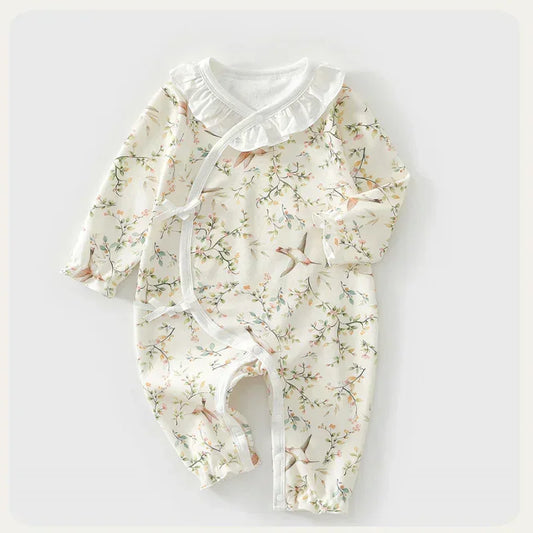
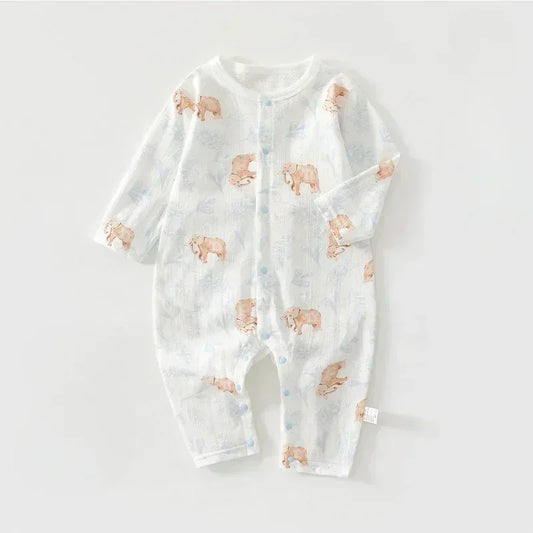
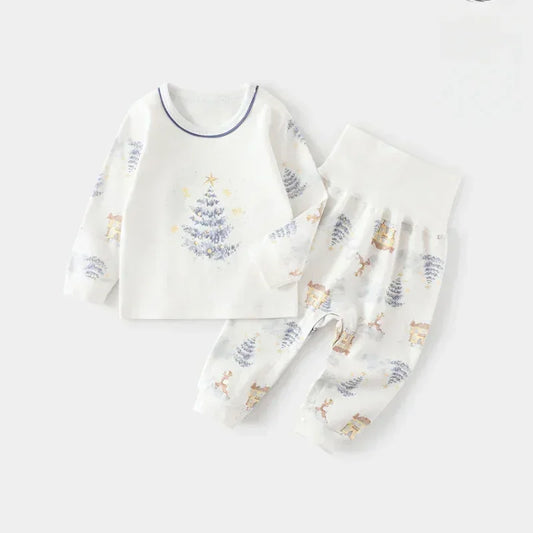
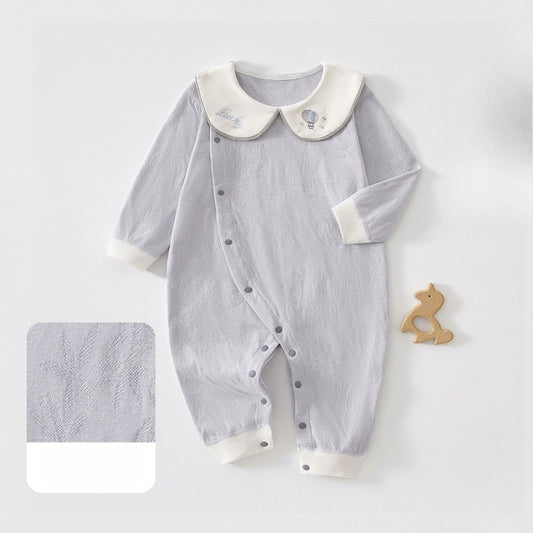
![[2-Pieces Set] 100% Cotton Long-Sleeve Kimono Romper - Blue & Blue Stripe](http://www.organiccottonclubs.com/cdn/shop/files/2_afd198b870f106588ecfc526d714b7a8.jpg?v=1764440625&width=533)


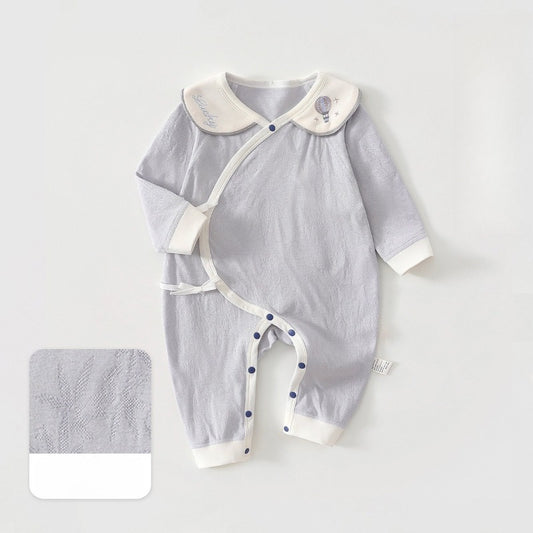
![[2-Pieces Set] 100% Cotton Long Sleeve Side-Snap Bodysuit - Pink & Pink Stripe](http://www.organiccottonclubs.com/cdn/shop/files/2_e34e329d03103a1ef2a830ed0f72d8f4.jpg?v=1759165907&width=533)
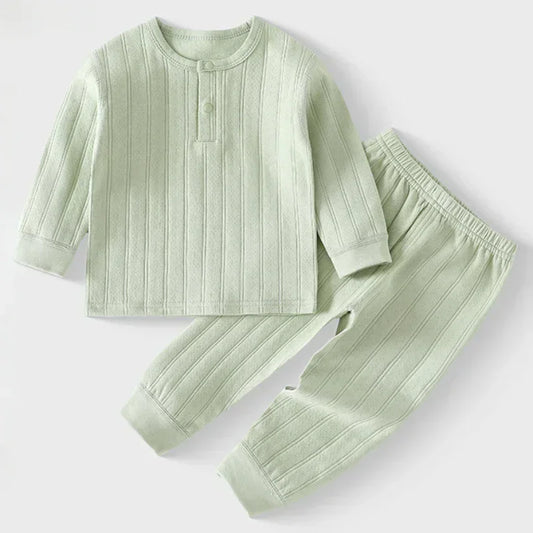
![[2-Pieces Set] 100% Cotton Long Sleeve Snapup Romper - Green & Green Stripe](http://www.organiccottonclubs.com/cdn/shop/files/4_dcde8d24f74c34bd214567f4011b27d7.jpg?v=1759166636&width=533)