

What My Pediatrician Told Me About "Microplastics" in Clothes.
Share
The Hidden Truth in Your Baby's Wardrobe
As parents, we spend hours researching the best strollers, the safest car seats, and the cleanest purees. But have you ever stopped to look at the label on those adorable, budget-friendly sleepers? During my last wellness check, a simple question about my baby's recurring skin rash led to a conversation I didn't expect. My pediatrician pointed out something I had never considered: the presence of microplastics in children's clothing. This discovery changed the way I look at every piece of fabric in our home.
The Hidden Struggle: Why We Choose Synthetic Fabrics
We live in a world where convenience is king. Fast fashion has made it possible to fill a nursery with cute, trendy outfits for a fraction of the cost. However, the true price of these synthetic garments often remains hidden until we start noticing unexplained skin sensitivities or learning about the long-term environmental and health impacts of microplastics. The struggle is real—trying to protect your child while navigating a market saturated with polyester, nylon, and acrylic. We want the best for our kids, but the information isn't always clear on the tag or the retail shelf.
The Agitation: Why Cheap Materials Might Be Hurting Your Baby
Synthetic fabrics are essentially plastic woven into thread. Every time these clothes are worn or washed, they shed microscopic fibers known as microplastics. Because a baby's skin is thinner and more absorbent than an adult's, these tiny particles and the chemicals used to treat them can pose a real risk. My pediatrician explained that materials like polyester trap heat, lack breathability, and can contribute to the 'toxic load' our little ones are exposed to daily. These plastics are often treated with flame retardants, PFAS, and heavy-metal dyes that can irritate sensitive skin and potentially disrupt natural hormonal balance. It's not just about a temporary rash; it's about the cumulative effect of what their bodies are absorbing during those critical developmental years. When we choose plastic-based clothing, we are unknowingly wrapping our children in synthetic chemicals 24 hours a day.
The Solution: The Power of Organic Cotton
So, what was the doctor's prescription for a healthier wardrobe? GOTS-certified organic cotton. Unlike synthetic blends, organic cotton is grown without synthetic pesticides and processed without harsh chemicals. It is naturally breathable, moisture-wicking, and most importantly, free from the plastic shedding associated with polyester. Switching to organic isn't just a trend; it's a proactive step in reducing your child's exposure to microplastics and endocrine disruptors. Organic cotton provides a soft, safe barrier that respects a baby's delicate skin while offering superior comfort and peace of mind for the conscious parent.
Benefits of Making the Switch to Natural Fibers
- Superior Skin Health: Soft, natural fibers significantly reduce the risk of eczema, contact dermatitis, and heat rashes by allowing the skin to breathe freely.
- Natural Temperature Regulation: Organic cotton helps regulate body temperature naturally, keeping babies cool in the summer and warm in the winter without trapping sweat or moisture.
- Chemical-Free Comfort: By avoiding synthetic dyes and finishes, you reduce the 'body burden' of toxins your child encounters every day.
- Durability and Sustainability: High-quality organic fabrics often last longer, become softer with every wash, and don't leak microplastics into our precious water systems.
- Peace of Mind: There is an incredible sense of relief knowing your baby is wrapped in pure nature rather than oil-based synthetics.
Practical Steps for a Microplastic-Free Closet
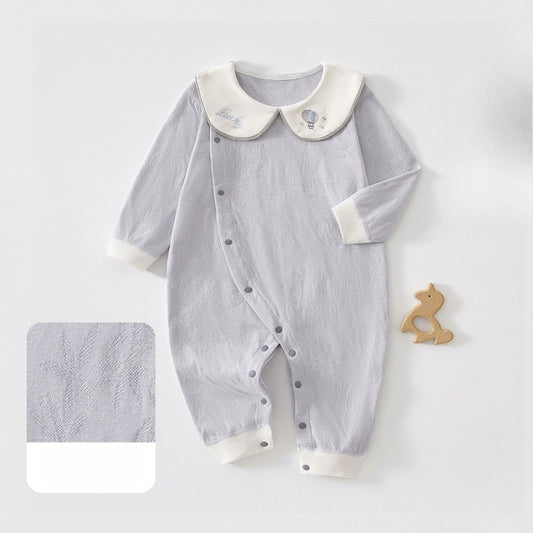
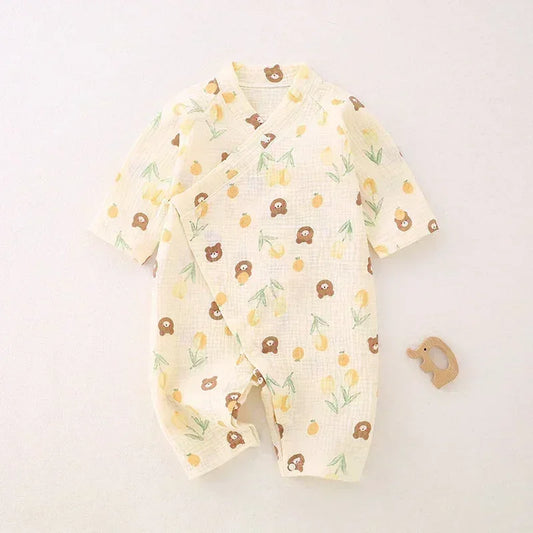
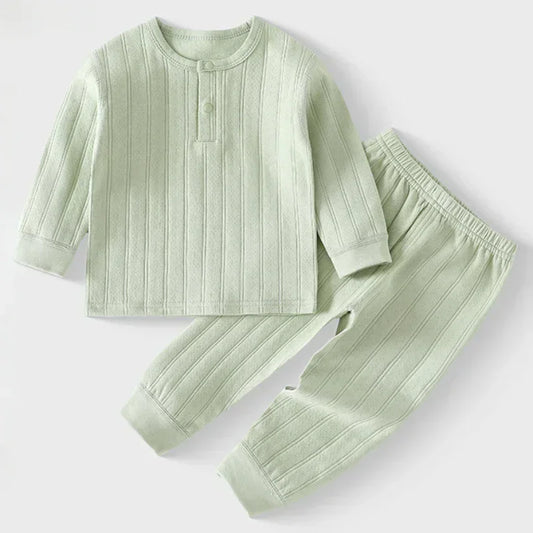
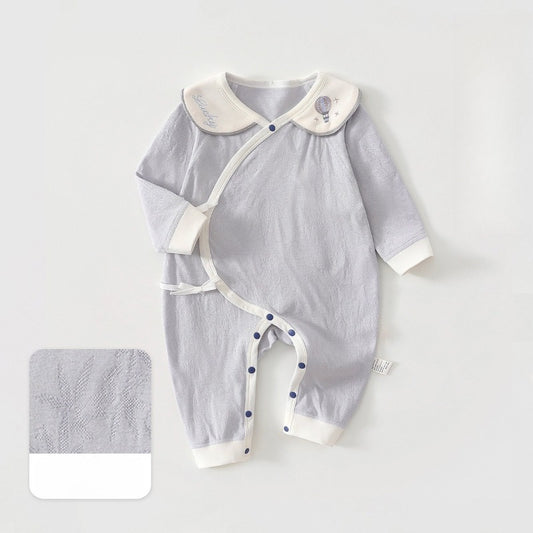
Transitioning your entire nursery doesn't have to happen overnight or break the bank. Start by replacing the items that have the most direct contact with skin for long periods, like onesies, pajamas, and bed sheets. These 'base layers' are the most important for health. When shopping, look for labels that say 100% GOTS-certified organic cotton and avoid 'performance' fabrics, 'wrinkle-free' treatments, or 'stain-resistant' finishes, as these are often achieved through chemical coatings and synthetic blends. Another great tip is to look for clothing with nickel-free snaps and water-based dyes to further reduce chemical exposure. Consider buying fewer, higher-quality pieces that can be handed down, or look for second-hand organic brands which are often still in great condition due to the durability of the fiber. Remember to wash new clothes with a gentle, plant-based detergent before use. Every synthetic item you remove from the daily rotation is a significant win for your baby's health and your own peace of mind.
The Broader Environmental Context
It's also worth noting that the issue of microplastics extends far beyond the nursery. When we wash synthetic clothes, thousands of microfibers are released into the wastewater, eventually making their way into our oceans and food chain. By choosing organic cotton, we are participating in a circular economy that respects the earth. Organic farming uses 91% less water than conventional cotton and produces 46% less CO2 emissions. So, while your primary focus is likely your baby's sensitive skin, your choice is also contributing to a cleaner, safer planet for them to inherit. It is a beautiful cycle of care that starts with a single garment and a conscious choice.
Final Thoughts
Our pediatrician's advice was a wake-up call that hit home. While we can't control every element of our modern environment, we can absolutely control what we put on our children's skin. Choosing organic cotton is a simple, effective way to reduce microplastic exposure and provide a safer, more comfortable start for our little ones. Your baby's health and comfort are worth that extra moment to read the tag and choose the natural path. Let's trade the plastic for the pure and build a healthier future together.
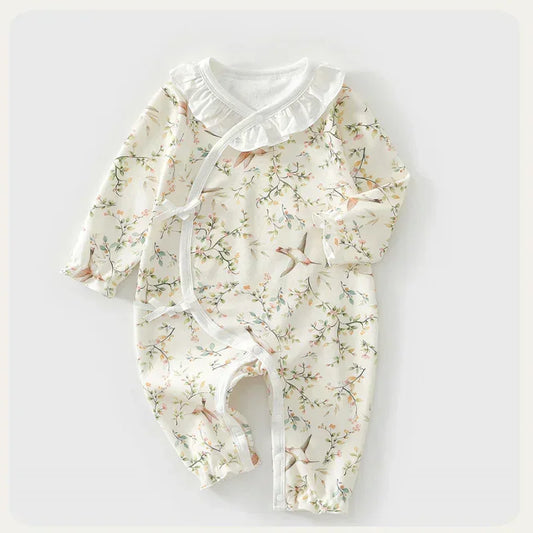
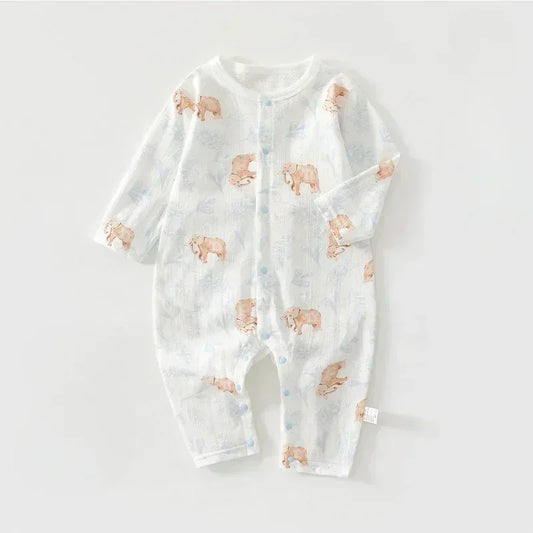
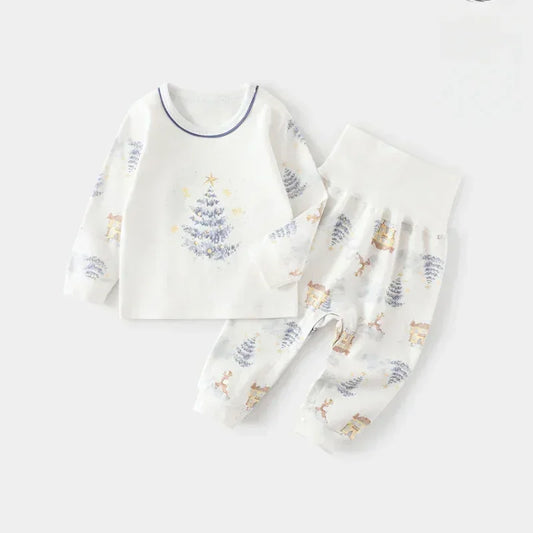
![[2-Pieces Set] 100% Cotton Long-Sleeve Kimono Romper - Blue & Blue Stripe](http://www.organiccottonclubs.com/cdn/shop/files/2_afd198b870f106588ecfc526d714b7a8.jpg?v=1764440625&width=533)


![[2-Pieces Set] 100% Cotton Long Sleeve Side-Snap Bodysuit - Pink & Pink Stripe](http://www.organiccottonclubs.com/cdn/shop/files/2_e34e329d03103a1ef2a830ed0f72d8f4.jpg?v=1759165907&width=533)
![[2-Pieces Set] 100% Cotton Long Sleeve Snapup Romper - Green & Green Stripe](http://www.organiccottonclubs.com/cdn/shop/files/4_dcde8d24f74c34bd214567f4011b27d7.jpg?v=1759166636&width=533)