

What My Pediatrician Told Me About "Microplastics" in Clothes.
Share
The Hidden Guest in Your Nursery: What Your Pediatrician Might Not Be Telling You Yet
You have done the research on the safest car seats, the cleanest diapers, and the purest nursery paints. But have you looked closely at the labels on those tiny, adorable outfits? As a parent, you want to wrap your child in comfort, but the hidden reality of modern textiles is causing a stir in the medical community. During a recent visit, my pediatrician shared a startling insight: the clothes we choose for our babies are often shedding invisible microplastics that could be affecting their health. This is the hidden struggle of modern parenting—trying to provide the best while navigating a world filled with synthetic shortcuts.
The Growing Problem: Why Cheap Materials Hurt
We often gravitate toward synthetic blends like polyester, nylon, and acrylic because they are cheap, stretchy, and easy to wash. However, these materials are essentially plastic woven into fabric. Every time your baby moves, crawls, or sleeps in these garments, they shed tiny fibers. These microplastics are so small they can be inhaled or absorbed through the skin. Pediatricians are becoming increasingly concerned about the 'toxic load' these synthetics contribute to, especially for infants whose skin is 30 percent thinner than an adult's. When these synthetic fibers break down, they can act as endocrine disruptors, potentially interfering with delicate developmental hormones. The agitation comes from the realization that the very clothes meant to protect our children might be contributing to skin irritations, allergies, and long-term health concerns.
The Solution: Why Organic Cotton is the Essential Pivot
The good news is that the solution is simple, though it requires a conscious shift in our shopping habits. Switching to 100 percent GOTS-certified organic cotton is the gold standard for reducing microplastic exposure. Organic cotton is grown without synthetic pesticides and processed without the harsh chemicals found in standard textile manufacturing. By choosing natural fibers, you are not just buying an outfit; you are creating a 'safe-haven' for your baby's skin. Organic cotton is breathable, hypoallergenic, and most importantly, it does not shed plastic particles into your home environment. It is a long-term investment in your child's wellness that offers peace of mind with every snuggle.
3 Quick Tips for a Plastic-Free Wardrobe
- Check the Tags: Look for 100% organic cotton, linen, or hemp. Avoid anything labeled 'polyester' or 'poly-blend.'
- Wash Wisely: Use natural, scent-free detergents and avoid fabric softeners, which can trap pollutants in synthetic fibers.
- Quality Over Quantity: Focus on a smaller 'capsule' wardrobe of high-quality organic pieces rather than a mountain of cheap synthetics.
Final Thoughts
Navigating the world of microplastics can feel overwhelming, but making the switch to organic textiles is one of the most impactful changes you can make for your baby's health today. Your pediatrician's advice isn't about fear; it's about empowerment. By choosing natural, plastic-free clothing, you are prioritizing your child's long-term health and the health of our planet. Start small, replace the basics first, and feel the difference that pure, organic fabric makes against your baby's skin.
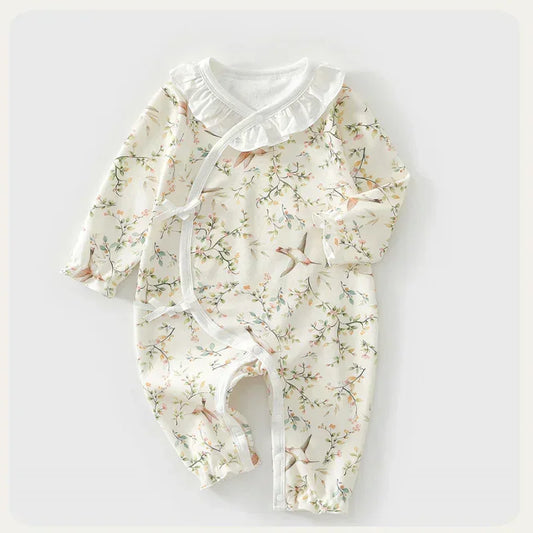
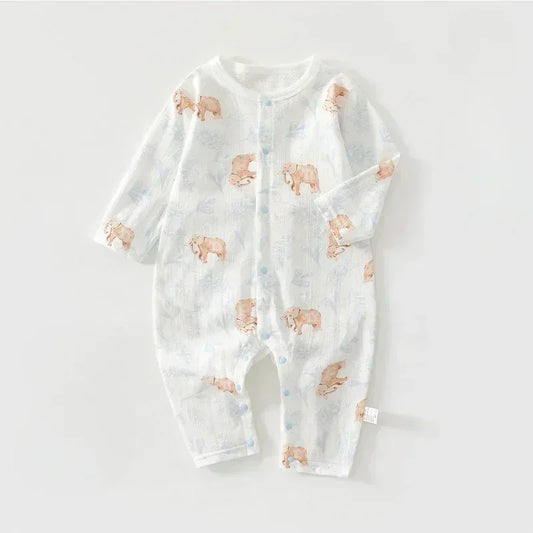
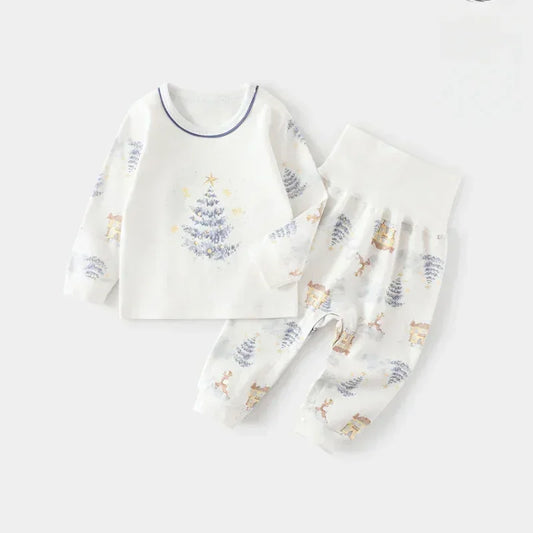
![[2-Pieces Set] 100% Cotton Long-Sleeve Kimono Romper - Blue & Blue Stripe](http://www.organiccottonclubs.com/cdn/shop/files/2_afd198b870f106588ecfc526d714b7a8.jpg?v=1764440625&width=533)

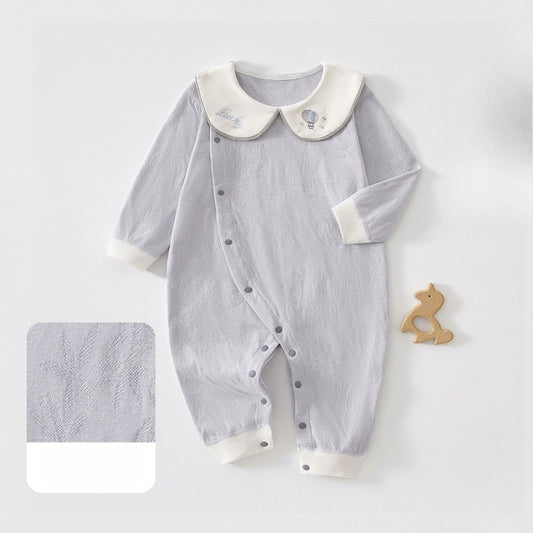

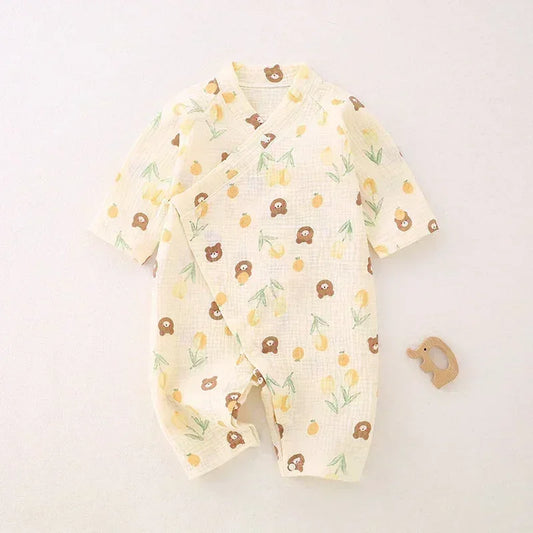
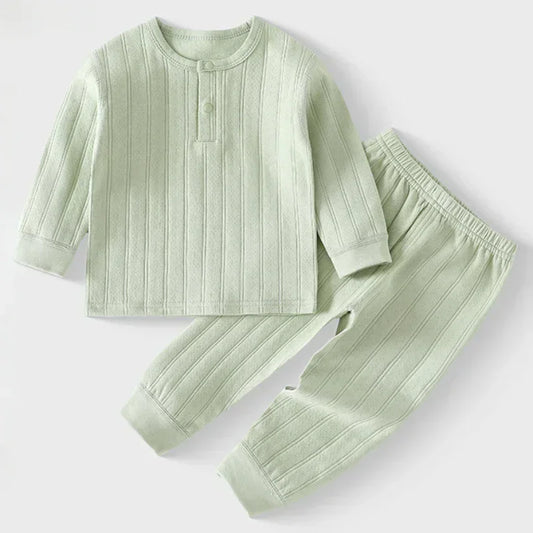
![[2-Pieces Set] 100% Cotton Long Sleeve Side-Snap Bodysuit - Pink & Pink Stripe](http://www.organiccottonclubs.com/cdn/shop/files/2_e34e329d03103a1ef2a830ed0f72d8f4.jpg?v=1759165907&width=533)
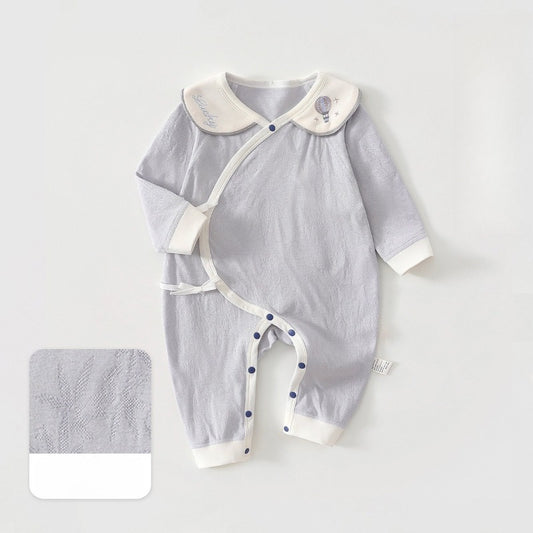
![[2-Pieces Set] 100% Cotton Long Sleeve Snapup Romper - Green & Green Stripe](http://www.organiccottonclubs.com/cdn/shop/files/4_dcde8d24f74c34bd214567f4011b27d7.jpg?v=1759166636&width=533)