


What Should Baby Wear to Sleep at Every Temperature?
Share
The Midnight Worry: Is My Baby Too Hot or Too Cold?
As a new parent, sleep is the most precious commodity you have. But even when your little one finally drifts off, your mind often stays wide awake. You find yourself tip-toeing into the nursery, hand hovering over their chest, wondering if that slight midnight chill requires another layer or if the summer humidity is making them sweat. This uncertainty isn't just exhausting; it's a fundamental struggle of early parenthood. We all want our babies to be safe, cozy, and comfortable, yet the 'perfect' sleep temperature often feels like a moving target that changes with every season.
The Hidden Cost of Synthetic Sleepwear
Many parents reach for standard, mass-market baby clothes without realizing the impact of fabric choice. Cheap polyester, nylon, and synthetic blends are essentially plastic fibers. They are designed for durability and low cost, not for breathability. When your baby's body temperature naturally fluctuates during the night, these materials trap heat and moisture against their sensitive skin. This leads to more than just a fussy baby; it can cause heat rashes, eczema flare-ups, and disrupted sleep cycles. Most importantly, synthetic fabrics can contribute to overheating, which is a significant safety concern for infants. That 'affordable' pajama set might actually be the reason your baby is waking up crying and sweaty at 3 AM.
The Solution: Why Organic Cotton is the Gold Standard
The secret to a peaceful, safe night is found in nature. Organic cotton is the premium choice for infant sleep for several vital reasons. Its long, natural fibers are inherently breathable, allowing air to circulate and moisture to wick away from the skin. This helps your baby maintain a stable core temperature regardless of the room's conditions. Furthermore, organic cotton is grown without harsh pesticides or toxic dyes, ensuring that the fabric touching your baby's porous skin is as pure as possible. By choosing high-quality natural fibers, you are investing in longer sleep stretches and healthier skin.
The Ultimate Temperature Guide: What to Wear and When
To take the guesswork out of your nightly routine, we recommend using the TOG (Thermal Overall Grade) system paired with organic layers. Here is a quick reference guide for your nursery:
- Warm Nights (Over 24°C / 75°F): Keep it light. A short-sleeved organic cotton bodysuit or just a diaper paired with a 0.5 TOG lightweight swaddle is sufficient.
- Mild Nights (21-23°C / 70-74°F): This is the most common range. Use a long-sleeved organic cotton sleepsuit or a short-sleeved bodysuit inside a 1.0 TOG sleep bag.
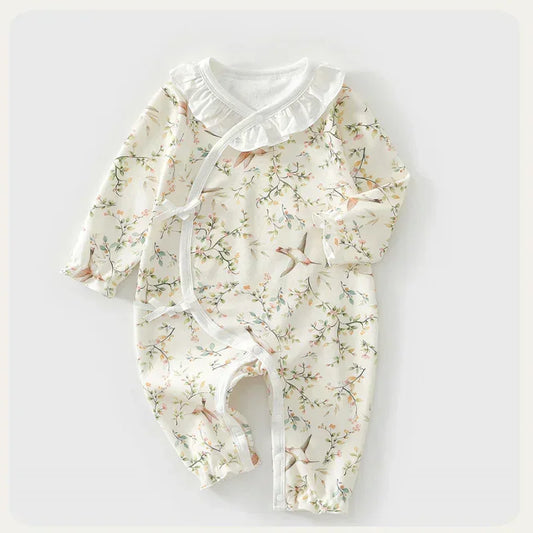
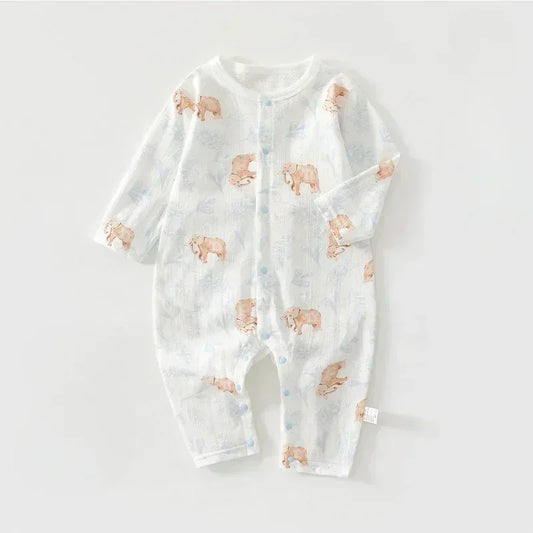
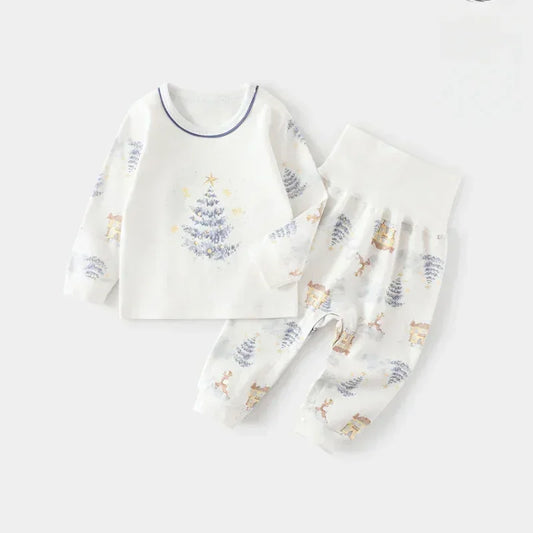
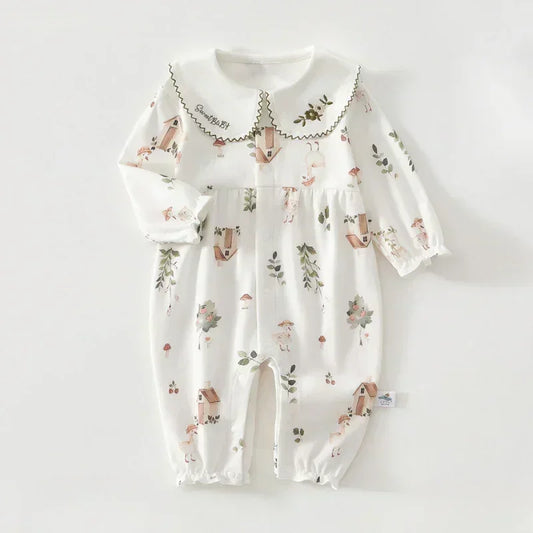
- Standard Nights (18-20°C / 64-69°F): This is considered the ideal nursery temperature. Dress baby in a long-sleeved bodysuit and a cotton sleepsuit underneath a 2.5 TOG sleep bag.
- Chilly Nights (Below 16°C / 61°F): Layering is essential. Start with a short-sleeved bodysuit, add a long-sleeved sleepsuit, and finish with a 3.5 TOG weighted or padded sleep bag.
Final Thoughts on Baby Sleep Safety
Dressing your baby for sleep doesn't have to be a source of constant anxiety. By prioritizing breathable organic materials and following a structured temperature guide, you can rest easy knowing your baby is in a safe, comfortable environment. Remember, it is always safer for a baby to be slightly too cool than too hot. Trust your instincts, check their tummy for warmth rather than their hands or feet, and choose quality over quantity when building your baby's sleep wardrobe. A comfortable baby is a sleeping baby, and a sleeping baby means a well-rested parent.
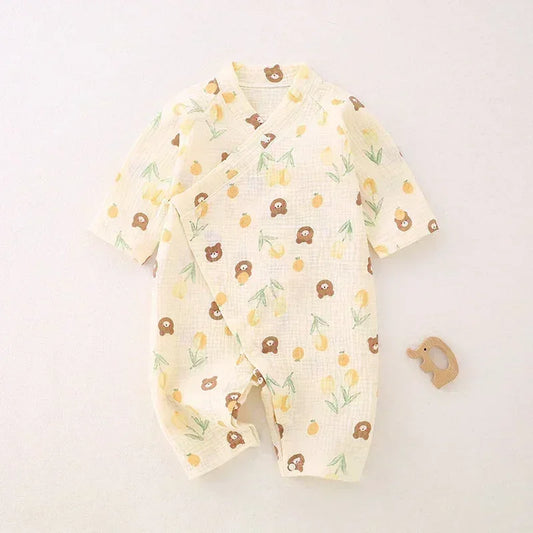
![[2-Pieces Set] 100% Cotton Long-Sleeve Kimono Romper - Blue & Blue Stripe](http://www.organiccottonclubs.com/cdn/shop/files/2_afd198b870f106588ecfc526d714b7a8.jpg?v=1764440625&width=533)


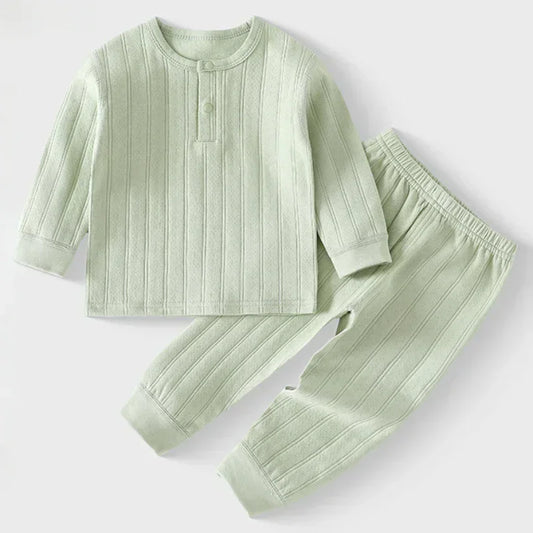
![[2-Pieces Set] 100% Cotton Long Sleeve Side-Snap Bodysuit - Pink & Pink Stripe](http://www.organiccottonclubs.com/cdn/shop/files/2_e34e329d03103a1ef2a830ed0f72d8f4.jpg?v=1759165907&width=533)
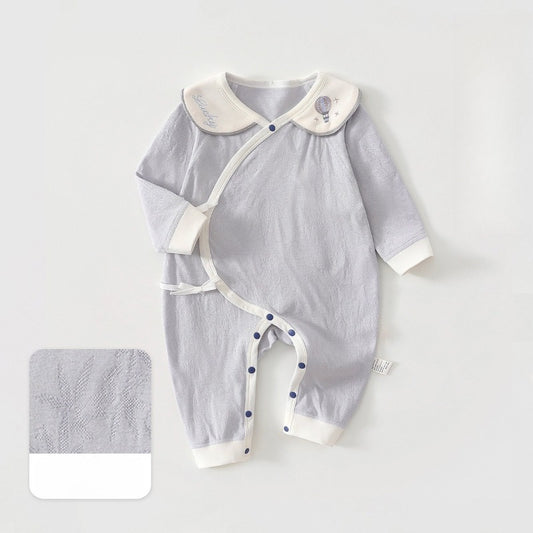
![[2-Pieces Set] 100% Cotton Long Sleeve Snapup Romper - Green & Green Stripe](http://www.organiccottonclubs.com/cdn/shop/files/4_dcde8d24f74c34bd214567f4011b27d7.jpg?v=1759166636&width=533)