


What to Dress Your Baby in at 60°F, 65°F, 70°F, 75°F
Share
The Temperature Struggle: Is Your Baby Too Hot or Too Cold?
Every parent knows the feeling: you step outside, feel a slight breeze, and immediately wonder if your little one is dressed appropriately. Whether it is a crisp 60 degree morning or a balmy 75 degree afternoon, the anxiety of over-dressing or under-dressing your baby is real. Babies cannot regulate their body temperature like adults do, making every degree count. You want them to be comfortable, but the fear of overheating—which is a known risk factor for SIDS—often competes with the fear of them catching a chill.
Why Cheap Materials Hurt Your Baby's Comfort
The problem is often exacerbated by the clothes themselves. Many mass-produced baby garments are made from synthetic blends like polyester. While cheap, these fabrics are notorious for trapping heat and moisture against your baby sensitive skin. This leads to the 'sweat and chill' cycle where a baby gets too hot, sweats, and then becomes dangerously cold once the moisture sits on their skin. Cheap dyes and chemical finishes in non-organic clothing can also cause irritation and rashes when combined with fluctuating temperatures. You are not just fighting the weather; you are fighting the fabric.
The Solution: Organic Cotton and the Art of Layering
The secret to keeping your baby perfectly comfortable between 60°F and 75°F lies in high-quality organic cotton. Organic cotton is naturally breathable, moisture-wicking, and incredibly soft. By using a layering system, you can easily adjust your baby's outfit as the day warms up. Here is our definitive guide to dressing your baby for moderate temperatures.
Dressing for 60°F (The Crisp Morning)
At 60 degrees, your baby needs full coverage and at least two layers to stay cozy. At this temperature, the air has a distinct bite.
- Base Layer: A long-sleeve organic cotton bodysuit.
- Outer Layer: A medium-weight cotton sweater or a fleece-lined romper.
- Bottoms: Thick leggings or joggers with socks.
- Bonus: Keep a light beanie and a stroller blanket handy for extra wind protection.
Dressing for 65°F (The Mild Spring Day)
This is the classic 'in-between' temperature. It feels warm in the sun but cool in the shade.
- Base Layer: A long-sleeve bodysuit.
- Bottoms: Light cotton trousers or leggings.
- Layering: A light cardigan or zip-up hoodie that can be easily removed.
- Footwear: Cotton socks are still essential here.
Dressing for 70°F (The Perfect Comfort Zone)
Many consider 70 degrees to be the ideal room temperature. In the sun, this can feel quite warm to a baby.
- Single Layer: A long-sleeve organic cotton romper or a short-sleeve bodysuit with lightweight pants.
- Footwear: Light socks, or even bare feet if you are indoors in a carpeted area.
- Tip: If your baby feels warm to the touch on their chest, stick to a single layer of breathable fabric.
Dressing for 75°F (The Warm Afternoon)
Once you hit 75 degrees, the risk shifts toward overheating. Light colors and loose fits are your best friends.
- Outfit: A short-sleeve organic cotton bodysuit or a sleeveless romper.
- Bottoms: If using a bodysuit, lightweight shorts or just a diaper cover.
- Protection: Swap the beanie for a wide-brimmed sun hat if you are outdoors.
- Monitoring: Check the back of their neck; if it is damp, they need fewer layers.
Final Thoughts: Trust Your Instincts
While guides are helpful, every baby is different. Some 'run hot' while others need that extra layer even in mild weather. The best way to check is to feel your baby's chest or the back of their neck. Their hands and feet will naturally feel cooler than the rest of their body, so don't use them as a primary gauge. By choosing organic, breathable fabrics, you give your baby the best chance at staying comfortable no matter what the thermometer says. Keep it simple, keep it organic, and enjoy those beautiful outdoor walks!
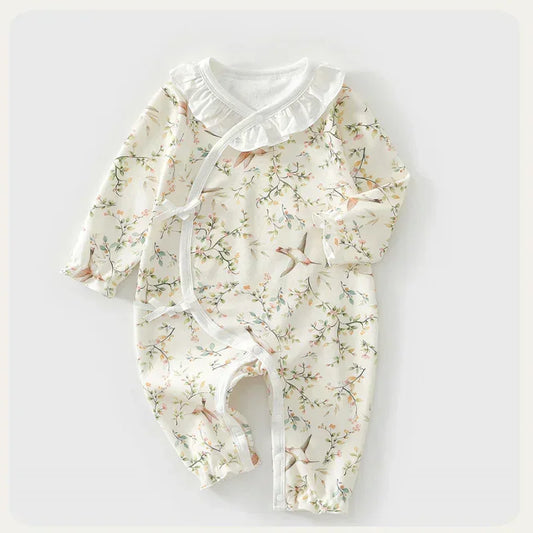
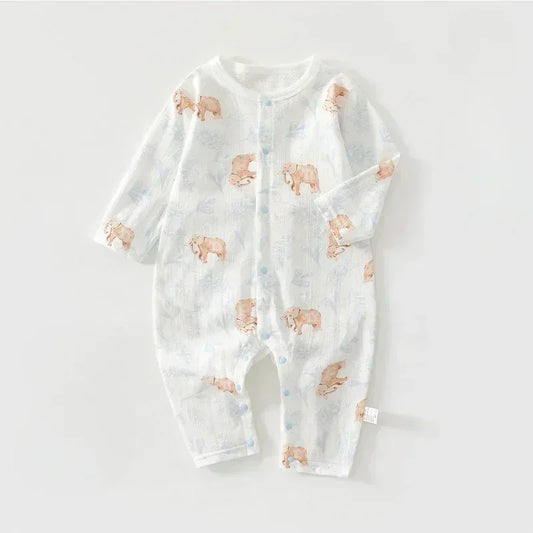
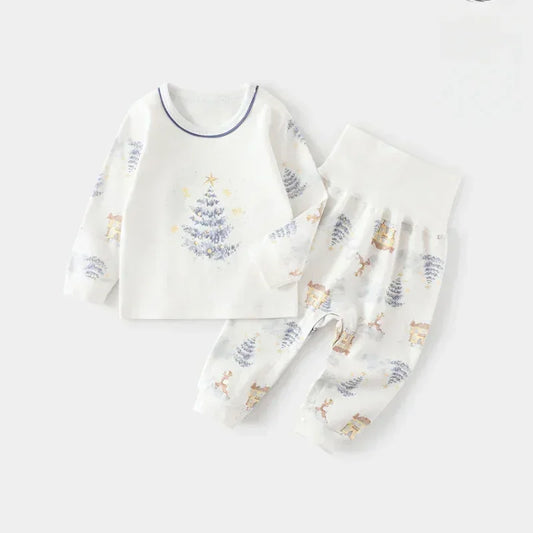
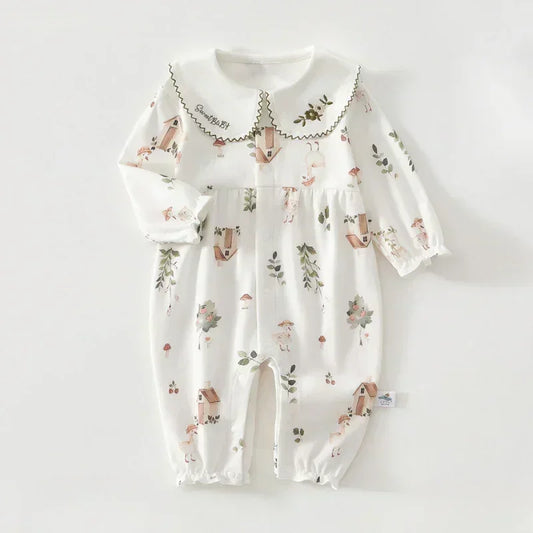
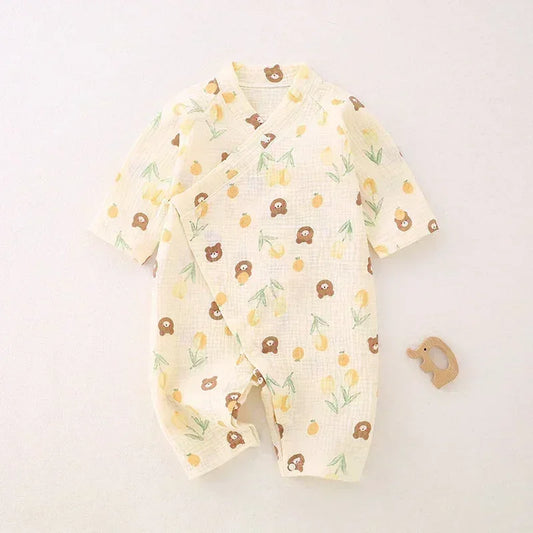
![[2-Pieces Set] 100% Cotton Long-Sleeve Kimono Romper - Blue & Blue Stripe](http://www.organiccottonclubs.com/cdn/shop/files/2_afd198b870f106588ecfc526d714b7a8.jpg?v=1764440625&width=533)


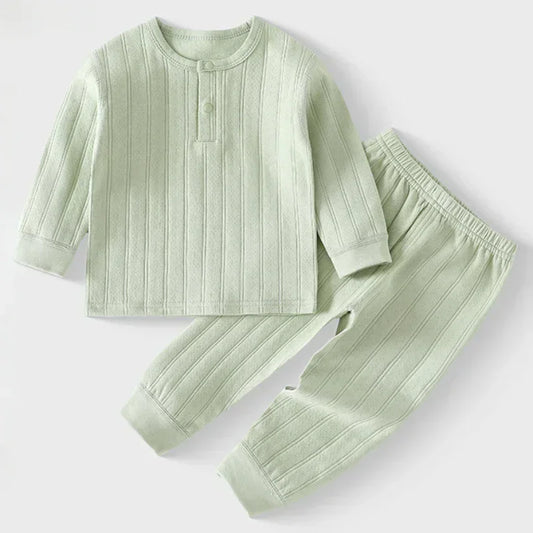
![[2-Pieces Set] 100% Cotton Long Sleeve Side-Snap Bodysuit - Pink & Pink Stripe](http://www.organiccottonclubs.com/cdn/shop/files/2_e34e329d03103a1ef2a830ed0f72d8f4.jpg?v=1759165907&width=533)
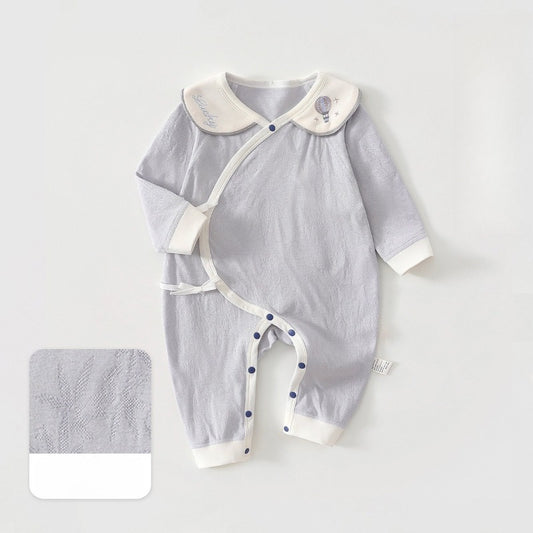
![[2-Pieces Set] 100% Cotton Long Sleeve Snapup Romper - Green & Green Stripe](http://www.organiccottonclubs.com/cdn/shop/files/4_dcde8d24f74c34bd214567f4011b27d7.jpg?v=1759166636&width=533)