

When to Move Up a Clothing Size: The 5 Signs
Share
The Mystery of Baby Sizing: When Is It Really Time to Move Up?
As a parent, you quickly realize that the numbers on a clothing label are more like suggestions than rules. One brand's '3-6 months' fits like another's 'newborn' size, leaving you in a constant state of guesswork. If you have ever spent ten minutes wrestling a wiggly infant into a romper only to realize it is pulling at the shoulders, you are familiar with the struggle. Determining when to move up a clothing size is a fundamental part of newborn care that directly impacts your baby's comfort and skin health.
The Problem: The Frustration of the Growing Baby
The transition from one size to the next often happens overnight. One day the outfit is perfect; the next, it seems to have shrunk in the wash. Parents often cling to smaller sizes because the clothes are sentimental or expensive, but forcing a fit can lead to a fussy baby and a stressful morning routine. The struggle to snap a onesie or pull a sleeve over a chubby fist is more than just a minor annoyance; it is a sign that your baby's wardrobe is no longer serving its purpose. Many parents worry they are 'wasting' clothes by moving up too soon, but the reality is that your baby's physical comfort should always come first.
Agitation: Why Tight Clothing Is a Hidden Stressor
When clothing is too small, the consequences go beyond aesthetics. Cheap, synthetic materials often lack the breathability and stretch needed for a growing body. In tight clothes, these fabrics trap heat and moisture against the skin, which can lead to heat rashes, contact dermatitis, or worsened eczema. Furthermore, restricted movement is a significant issue. A baby who is learning to roll, crawl, or kick needs freedom of motion. If their clothing is too tight around the diaper area or the limbs, it can hinder their physical development and cause frustration during playtime. Even sleep can be disrupted if a waistband is digging in or a zipper is pinching a chin. You might notice your baby becoming increasingly irritable during changes or bedtime simply because their clothing feels like a second, restrictive skin. This discomfort can lead to shorter naps and more frequent night wakings, making a simple sizing issue a household-wide problem.
The Solution: 5 Signs It Is Time to Size Up
To keep your little one happy and healthy, look for these five clear indicators that it is time to refresh their drawer:
- 1. The Snap Struggle: If you find yourself pulling or stretching the fabric to get the bottom snaps to meet, the onesie is too short. This puts pressure on the baby's shoulders and can cause the neckline to dig in, leading to discomfort and potentially affecting their posture during sleep.
- 2. Red Marks on the Skin: Check the areas around the thighs, waist, and wrists. If you see indented red lines when you undress your baby, the elastic or fabric is too tight and is restricting circulation. These marks are a definitive signal that the garment is too small, regardless of what the label says.
- 3. The 'High-Water' Look: If pant legs are riding up to the mid-calf or sleeves are stuck at the mid-forearm, your baby has outgrown the length. Proper coverage is essential for temperature regulation, especially in cooler environments where exposed ankles and wrists can lead to chills.
- 4. The Diaper Peeking Out: If the back of the pants or the seat of the onesie is constantly sliding down to reveal the diaper, there is not enough room for the bulk of the diaper and the baby's body. This often happens as babies become more active and need more 'rise' in their clothing to accommodate movement.
- 5. Difficulty Dressing: If putting on a shirt feels like a wrestling match because the head opening is too small or the arms are hard to thread through, it is time for the next size. Clothing should glide on easily to minimize stress for both you and your baby during transitions.
The Importance of Fabric: Why Organic Cotton Matters
When you do move up, consider the fabric as much as the size. Organic cotton is the gold standard for infant wear because it offers a natural, four-way stretch that moves with your baby. Unlike synthetic blends, organic cotton is hypoallergenic and extremely breathable, making it the perfect choice for sensitive skin. It also tends to hold its shape better through multiple washes, providing a more consistent fit as your baby grows. Furthermore, organic cotton is free from harsh chemicals and pesticides, ensuring that the only thing touching your baby's delicate skin is pure, soft fiber. This extra stretch means that organic pieces often last longer through growth spurts than their rigid, synthetic counterparts.
Understanding Brand Variations and Shrinkage
It is important to remember that not all brands are created equal. Some European brands tend to run long and narrow, while American brands might be wider and shorter. Additionally, even high-quality fabrics can experience minor shrinkage during the first few washes. To stay ahead of growth spurts, many seasoned parents recommend the 'two finger' rule: if you cannot comfortably fit two fingers between the fabric and your baby's skin, it is time to size up. Keeping a small stash of the next size up ready in the nursery will prevent those late-night realizations that nothing in the current drawer fits.
Final Thoughts
Moving up a size is a milestone to be celebrated, not feared. It means your baby is growing and thriving. By paying attention to these five signs and choosing high-quality, organic fabrics, you ensure that your little one stays comfortable, mobile, and happy. Trust your eyes over the label—if it looks tight, it is time for a change. Ready to upgrade? Look for pieces that offer both style and the room your baby needs to explore the world.
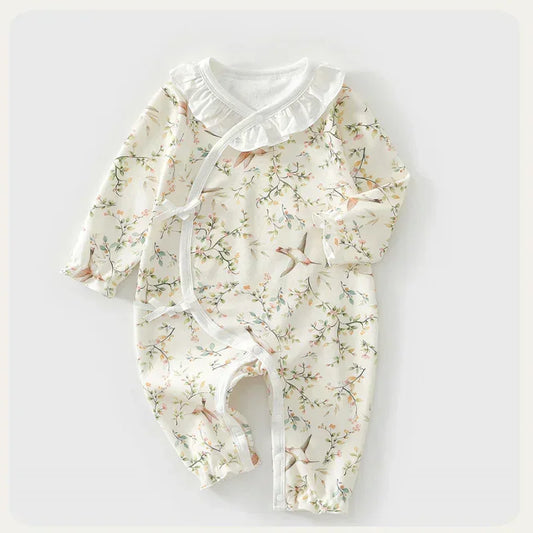
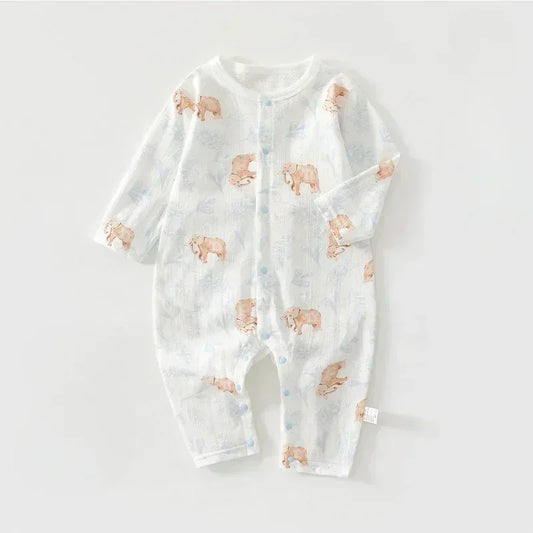
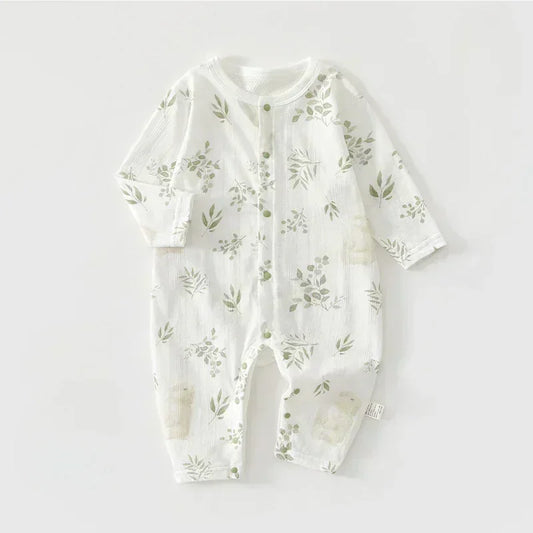
![[2-Pieces Set] 100% Cotton Long-Sleeve Kimono Romper - Blue & Blue Stripe](http://www.organiccottonclubs.com/cdn/shop/files/2_afd198b870f106588ecfc526d714b7a8.jpg?v=1764440625&width=533)

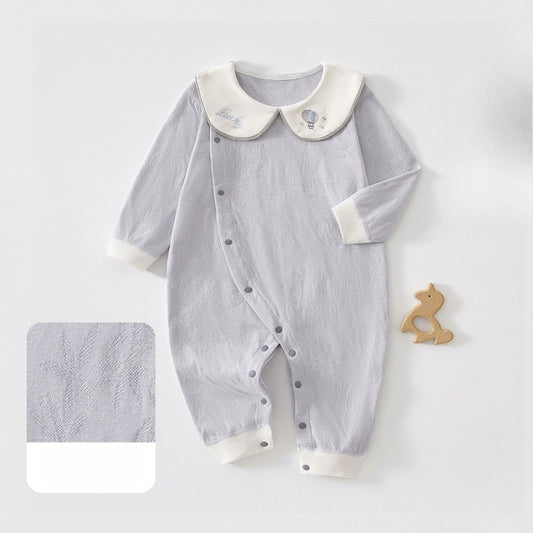

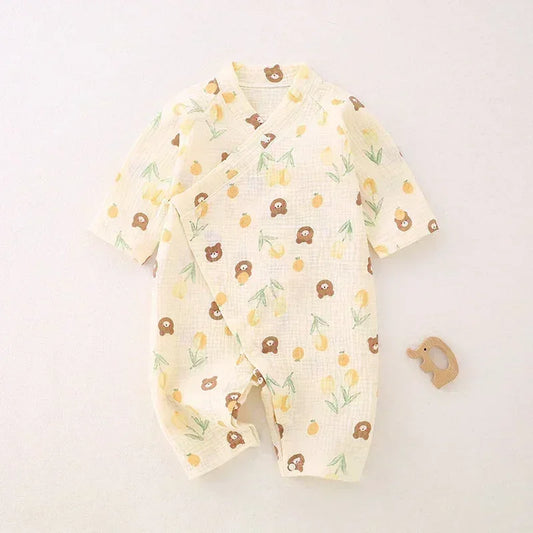
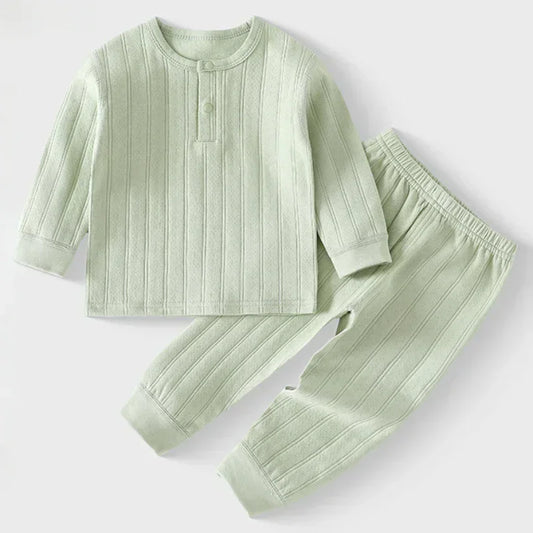
![[2-Pieces Set] 100% Cotton Long Sleeve Side-Snap Bodysuit - Pink & Pink Stripe](http://www.organiccottonclubs.com/cdn/shop/files/2_e34e329d03103a1ef2a830ed0f72d8f4.jpg?v=1759165907&width=533)
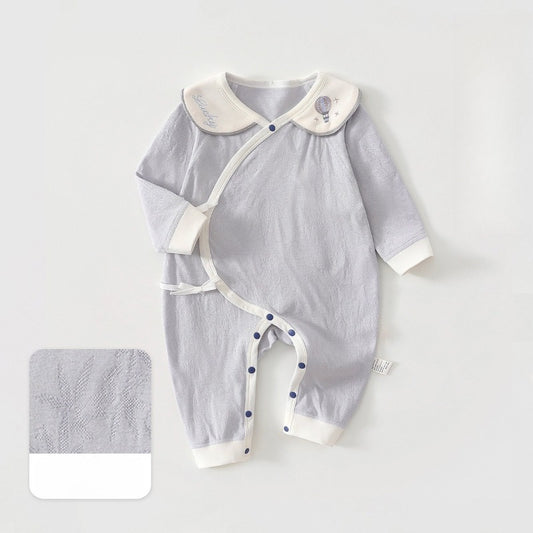
![[2-Pieces Set] 100% Cotton Long Sleeve Snapup Romper - Green & Green Stripe](http://www.organiccottonclubs.com/cdn/shop/files/4_dcde8d24f74c34bd214567f4011b27d7.jpg?v=1759166636&width=533)