


Why Breathable Fabric is the #1 Sleep Safety Rule
Share
The Silent Anxiety of the Nursery Hover
Every new parent knows the feeling: standing over the crib in the middle of the night, checking for the rise and fall of a tiny chest. You have read every manual and followed every guideline, yet the fear of sleep safety remains. We want our babies to be cozy, but in our quest for comfort, many of us inadvertently create a sleep environment that is actually working against our baby's natural biology. The transition from the womb to the nursery is a major adjustment, and the single biggest factor often overlooked isn't the crib's shape or the monitor's brand—it is the fabric touching their skin.
The Hidden Danger of Synthetic Bedding
It is easy to be lured in by the cute prints and budget-friendly prices of synthetic blankets and sheets. However, materials like polyester, fleece, and nylon are essentially forms of plastic. They lack the porous structure required for air circulation. When a baby sleeps in these materials, their body heat has nowhere to go. Because infants cannot regulate their own body temperature as effectively as adults, they overheat rapidly. This agitation leads to more than just a fussy, sweaty baby; overheating is a primary risk factor cited by pediatricians in sleep-related safety incidents. When moisture and heat are trapped against the skin, it also creates a breeding ground for rashes and eczema, further disrupting the precious sleep your family needs.
The Solution: Why Breathable Fabric is a Non-Negotiable Rule
The safest sleep environment is one that promotes natural thermoregulation. This is where high-quality, organic breathable fabrics become the hero of the nursery. Organic cotton and muslin are not just luxury choices; they are safety tools. These natural fibers allow air to flow freely, ensuring that excess heat can escape. If your baby gets warm, the fabric wicks moisture away rather than trapping it. By choosing organic materials, you also eliminate the risk of off-gassing from the harsh chemicals and flame retardants often found in synthetic textiles. When you lay your baby down on a certified organic cotton sheet, you are providing a stable, cool, and chemical-free microclimate that supports deeper, safer sleep.
Key Benefits of Organic Breathable Materials
- Temperature Regulation: Helps maintain a consistent core body temperature throughout the night.
- Hypoallergenic Properties: Natural fibers are gentler on sensitive newborn skin and reduce flare-ups.
- Durability and Softness: Unlike synthetics that pill and scratch, organic cotton actually gets softer with every wash.
- Peace of Mind: Knowing the fabric meets strict safety standards allows you to sleep better too.
Creating a Safe Sleep Sanctuary
To implement the #1 sleep safety rule, start by auditing your nursery. Remove any thick, polyester-filled comforters or plush synthetic blankets. Replace them with layered muslin swaddles or lightweight organic cotton sleep sacks. Remember the rule of thumb: baby should generally wear one more layer than you are comfortable in, provided that layer is breathable. Look for GOTS (Global Organic Textile Standard) certification to ensure the fabric is truly what it claims to be. By focusing on breathability, you are addressing the root cause of overheating and ensuring that every nap is a step toward a healthier, safer childhood.
Final Thoughts
Sleep safety does not have to be a source of constant stress. By making the simple switch to breathable, organic fabrics, you are removing one of the biggest risks from the crib. It is a small change that yields the greatest reward: a safe, soundly sleeping baby and the peace of mind every parent deserves.
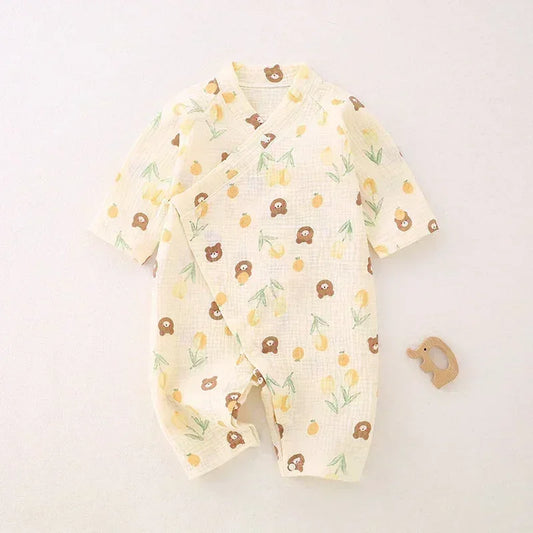
![[2-Pieces Set] 100% Cotton Long-Sleeve Kimono Romper - Blue & Blue Stripe](http://www.organiccottonclubs.com/cdn/shop/files/2_afd198b870f106588ecfc526d714b7a8.jpg?v=1764440625&width=533)


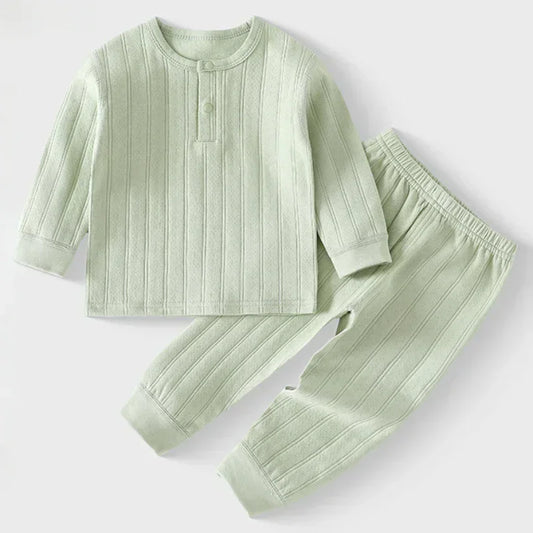
![[2-Pieces Set] 100% Cotton Long Sleeve Side-Snap Bodysuit - Pink & Pink Stripe](http://www.organiccottonclubs.com/cdn/shop/files/2_e34e329d03103a1ef2a830ed0f72d8f4.jpg?v=1759165907&width=533)
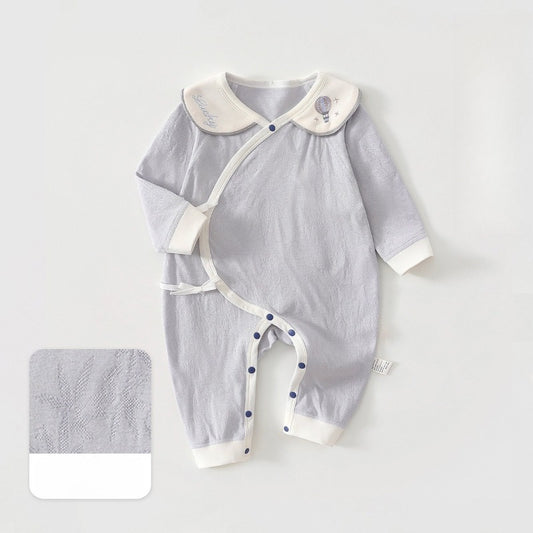
![[2-Pieces Set] 100% Cotton Long Sleeve Snapup Romper - Green & Green Stripe](http://www.organiccottonclubs.com/cdn/shop/files/4_dcde8d24f74c34bd214567f4011b27d7.jpg?v=1759166636&width=533)