

Why Organic Cotton is Worth It for Baby Skin
Share
The Hidden Struggle of Sensitive Baby Skin
As a new parent, you are constantly making choices to protect your child, from the food they eat to the toys they play with. However, one of the most significant factors in a baby's daily comfort is often overlooked: the fabric that touches their skin 24/7. A newborn's skin is incredibly delicate—it is up to five times thinner than adult skin and far more permeable. This means that whatever you put on your baby is more easily absorbed into their bloodstream. Many parents find themselves battling mysterious redness, persistent diaper rashes, and itchy eczema flare-ups, never realizing that the 'soft' cotton onesie they bought from a big-box retailer might be the source of the irritation. The struggle of seeing your little one uncomfortable is heartbreaking, but the solution often lies in the very fibers of their clothing.
Why Conventional Cotton May Be Hurting Your Baby
We often think of cotton as a natural, safe material, but the reality of conventional cotton production is far from pure. It is one of the most chemically intensive crops in the world. From the start, the seeds are often treated with fungicides, and the growing plants are doused in heavy pesticides and synthetic fertilizers. Once the cotton reaches the factory, the agitation continues. The fabric is treated with harsh bleaches, toxic heavy-metal dyes, and finishing agents like formaldehyde to prevent shrinkage or wrinkles. These chemical residues linger in the fibers long after the first few washes. For a baby with a developing immune system and a sensitive skin barrier, this constant chemical exposure can lead to contact dermatitis, respiratory issues, and significant physical discomfort. When you choose standard fast-fashion baby clothes, you are unknowingly introducing a cocktail of industrial irritants to your baby's environment.
The Organic Solution: Pure Comfort for Delicate Skin
Switching to GOTS (Global Organic Textile Standard) certified organic cotton is more than just a lifestyle trend; it is a fundamental shift toward wellness. Organic cotton is grown using methods and materials that have a low impact on the environment and, more importantly, are safe for human health. By eliminating the toxic pipeline of conventional textile manufacturing, organic cotton provides a pure, breathable, and hypoallergenic alternative that respects the natural integrity of your baby's skin. Here is why the investment in organic materials is worth every penny for your family's peace of mind.
1. Hypoallergenic and Chemical-Free
Because organic cotton is grown and processed without the use of harsh synthetic chemicals, it is naturally hypoallergenic. It does not contain the pesticide residues or toxic dyes that commonly trigger allergic reactions or worsen eczema. This makes it the gold standard for babies with existing skin conditions or those who simply have the typical sensitivity of a newborn. It provides a soothing, neutral environment that allows the skin to breathe and heal.
2. Superior Breathability and Temperature Regulation
Babies are not yet able to regulate their body temperature as effectively as adults. Conventional fabrics, especially those blended with synthetic polyesters, can trap heat and moisture against the skin, leading to prickly heat rashes and restless sleep. Organic cotton fibers are longer and more porous, allowing for maximum airflow. This natural breathability helps keep your baby cool in the summer and warm in the winter, promoting longer, deeper sleep cycles which are essential for brain development.
3. Unrivaled Softness and Durability
There is a tactile difference you can feel immediately. Organic cotton is harvested by hand rather than by machine, which preserves the length and strength of the fibers. Because the fibers have not been broken down by harsh chemical treatments, the fabric is actually much stronger and softer than its conventional counterpart. This means that organic baby clothes can withstand hundreds of wash cycles without losing their shape or becoming scratchy. While the initial cost may be higher, the longevity of the garment makes it a more sustainable and cost-effective choice in the long run.
How to Build an Organic Wardrobe for Your Baby
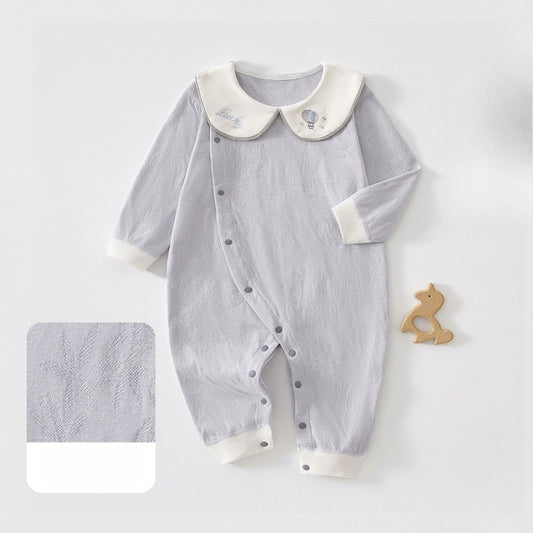
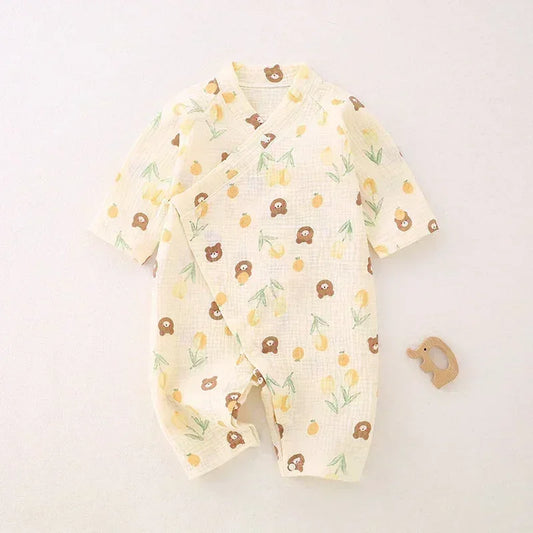
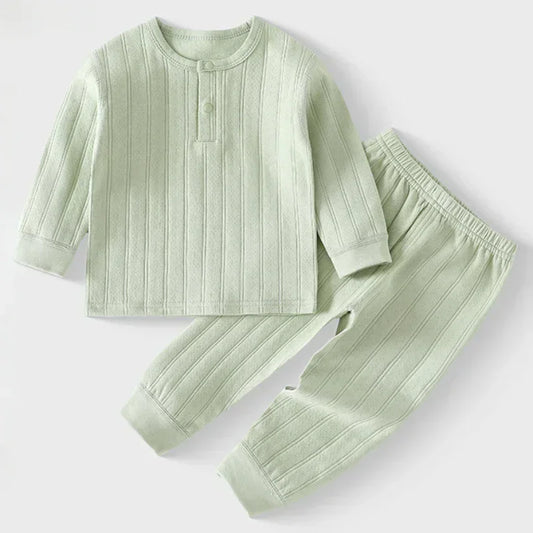
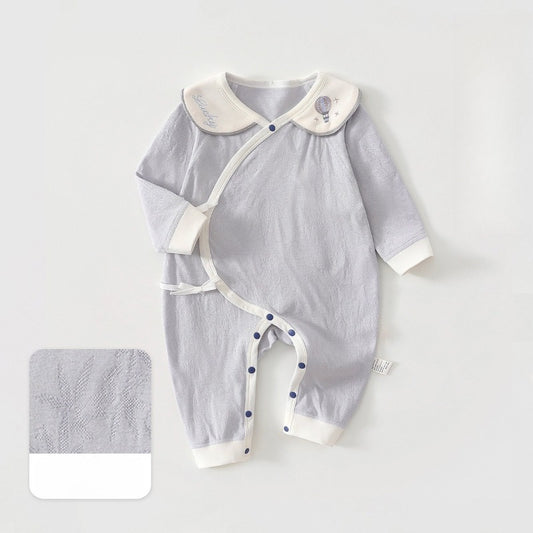
Transitioning to an organic nursery doesn't have to happen overnight. Focus on the items that have the most contact with your baby's skin for the longest periods of time. Start with 'first-layer' essentials like onesies, pajamas, and swaddle blankets. When shopping, look for the GOTS label to ensure the entire supply chain—from farm to factory—meets the highest organic and ethical standards. Prioritize quality over quantity; a few well-made organic pieces are far more valuable than a drawer full of irritating synthetic blends.
Final Thoughts
Your baby deserves a soft start in a world that can often be harsh. Choosing organic cotton is a proactive step in protecting their health, supporting their comfort, and ensuring their skin stays as pure as the day they were born. It is an investment in their future and a commitment to a healthier, more sustainable home. Your baby's skin is their first line of defense; make sure you're giving them the very best protection possible.
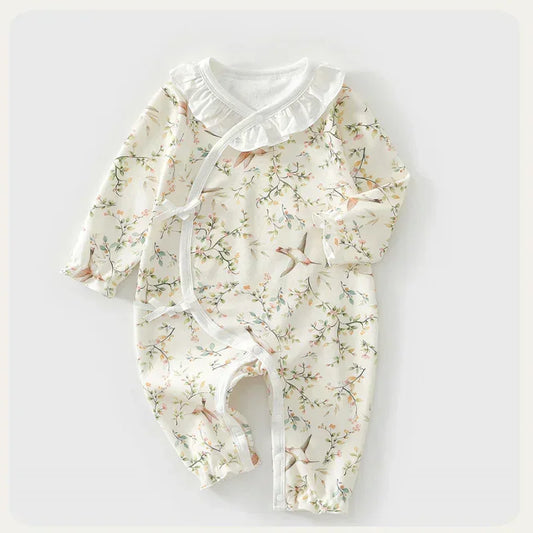
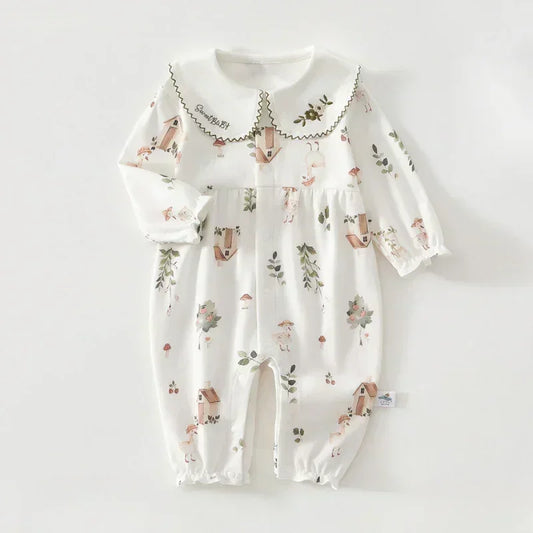
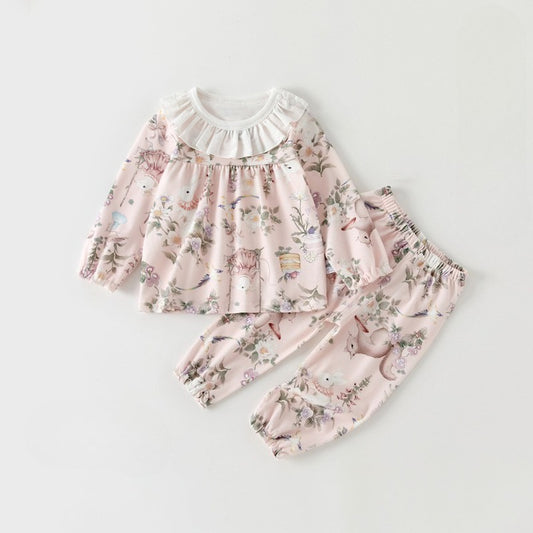
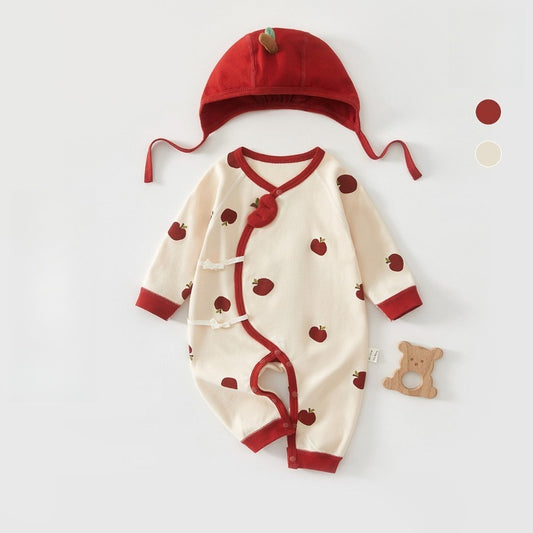
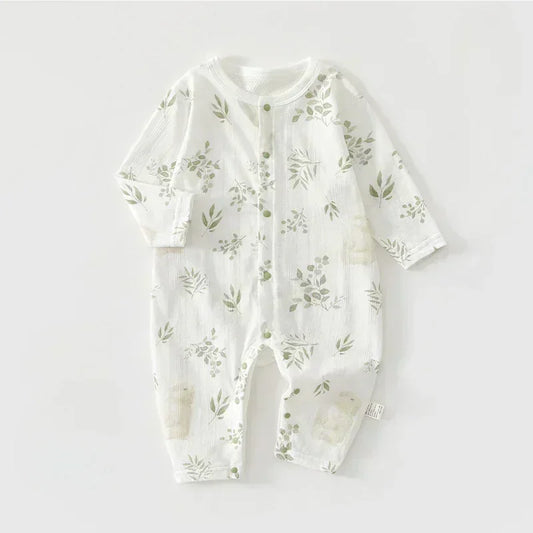
![[2-Pieces Set] 100% Cotton Long-Sleeve Kimono Romper - Blue & Blue Stripe](http://www.organiccottonclubs.com/cdn/shop/files/2_afd198b870f106588ecfc526d714b7a8.jpg?v=1764440625&width=533)


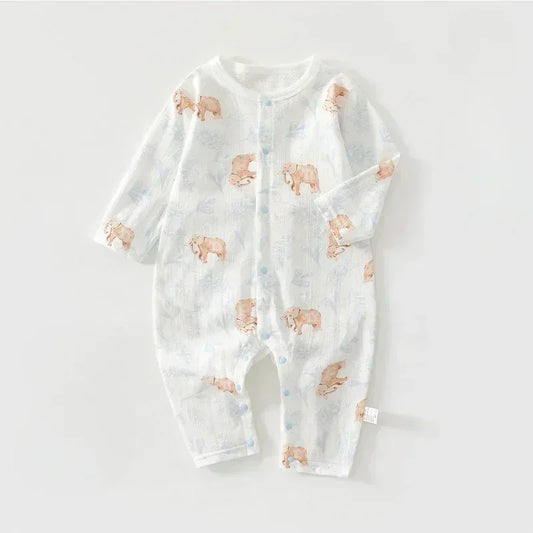
![[2-Pieces Set] 100% Cotton Long Sleeve Side-Snap Bodysuit - Pink & Pink Stripe](http://www.organiccottonclubs.com/cdn/shop/files/2_e34e329d03103a1ef2a830ed0f72d8f4.jpg?v=1759165907&width=533)
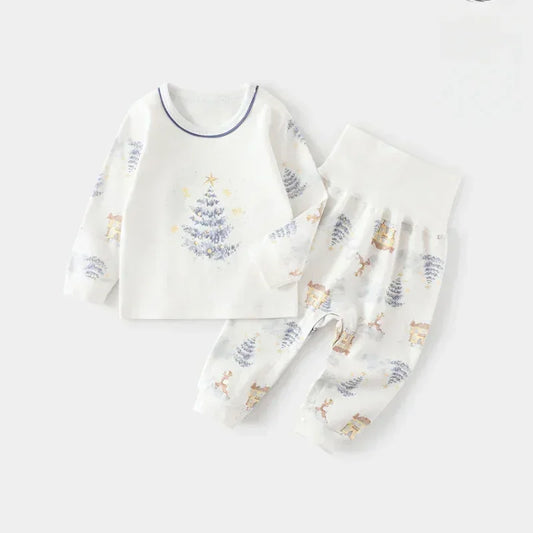
![[2-Pieces Set] 100% Cotton Long Sleeve Snapup Romper - Green & Green Stripe](http://www.organiccottonclubs.com/cdn/shop/files/4_dcde8d24f74c34bd214567f4011b27d7.jpg?v=1759166636&width=533)