


Why Size Labels Lie: Shopping by Weight vs. Age.
Share
Why Size Labels Lie: The Secret to Finding the Perfect Fit
Every parent has experienced the frustration: you buy a beautiful '6-9 month' romper for your four-month-old, only to find it is already too tight, or conversely, so large it swallows them whole. It feels like a gamble every time you checkout. But why is baby clothing sizing so inconsistent? The truth is, age labels are merely a rough estimate based on 'average' percentiles that rarely account for the unique growth spurts of a real human being.
The Sizing Myth: Why 'Age' Is a Failing Metric
In the world of mass-produced baby fashion, brands use age as a convenient shorthand. However, a '6-month-old' can weigh anywhere from 13 to 19 pounds. When you shop strictly by the number of months on the tag, you are ignoring the two most critical data points for a comfortable fit: weight and height. Shopping by age is like buying shoes based on how long you have been walking—it simply does not make sense.
The Agitation: When Cheap Fabric and Poor Sizing Collide
The problem goes deeper than just a bad fit. When we rely on fast-fashion brands that use 'age' as their only guide, we often encounter inferior materials. Cheap, synthetic fabrics or low-grade cotton blends present several issues for growing infants:
- Unpredictable Shrinkage: Lower-quality fabrics often shrink unevenly after one wash, turning a '6-month' garment into a '3-month' size instantly.
- Zero Flexibility: Synthetic fibers lack the natural 'give' required for a baby who is learning to roll, crawl, or kick.
- Skin Irritation: Tight-fitting, cheap fabric traps heat and moisture, leading to rashes and discomfort for babies with sensitive skin.
When a garment is too small because the label lied, it does not just look bad—it restricts movement and causes physical distress to your little one.
The Solution: Shopping by Weight and Height
To end the cycle of returns and wasted money, parents must pivot to a weight-based shopping strategy. Most reputable brands provide a size chart that links their 'age' labels to specific weight and length ranges. Before you buy, know your baby's current stats. If your child is in the 90th percentile for weight, they will likely need to size up regardless of their age in months. This proactive approach ensures the garment fits the body, not the birthday.
The Organic Cotton Advantage: Fit and Longevity
If you want clothes that actually grow with your baby, the material is just as important as the measurement. High-quality organic cotton is the gold standard for a reason. Unlike synthetic blends, premium organic cotton offers:
- Natural Elasticity: Organic fibers have a natural stretch that accommodates growth spurts without losing their shape.
- Breathability: It regulates temperature, ensuring that even a snug-fitting garment remains comfortable.
- Durability: Organic cotton is handled with fewer harsh chemicals, keeping the fibers strong through dozens of washes.
By choosing organic cotton pieces based on weight, you are investing in clothing that lasts longer and feels better on your baby's delicate skin.
Final Thoughts
The next time you are browsing for your little one, ignore the 'months' on the front of the tag and flip it over to check the weight requirements. By prioritizing measurements over age and choosing high-quality, organic fabrics, you will save money, reduce waste, and—most importantly—keep your baby comfortable and free to move. Stop guessing and start measuring; your nursery wardrobe will thank you.
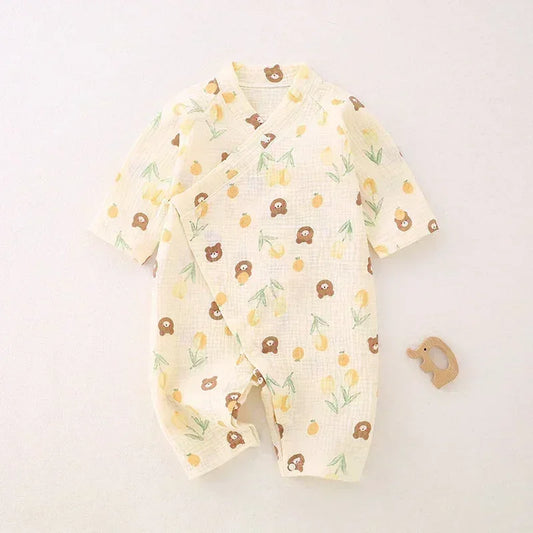
![[2-Pieces Set] 100% Cotton Long-Sleeve Kimono Romper - Blue & Blue Stripe](http://www.organiccottonclubs.com/cdn/shop/files/2_afd198b870f106588ecfc526d714b7a8.jpg?v=1764440625&width=533)


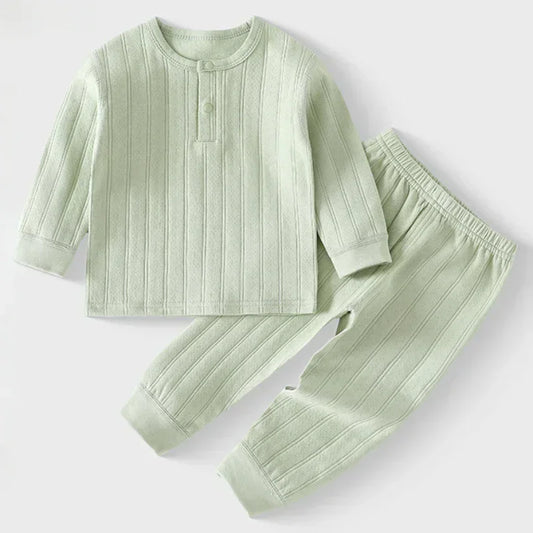
![[2-Pieces Set] 100% Cotton Long Sleeve Side-Snap Bodysuit - Pink & Pink Stripe](http://www.organiccottonclubs.com/cdn/shop/files/2_e34e329d03103a1ef2a830ed0f72d8f4.jpg?v=1759165907&width=533)
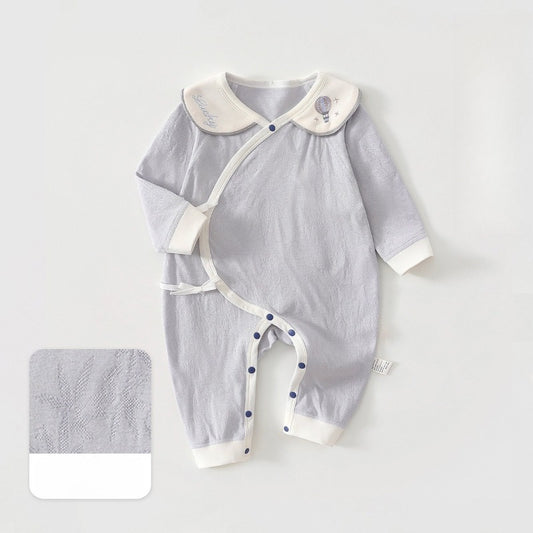
![[2-Pieces Set] 100% Cotton Long Sleeve Snapup Romper - Green & Green Stripe](http://www.organiccottonclubs.com/cdn/shop/files/4_dcde8d24f74c34bd214567f4011b27d7.jpg?v=1759166636&width=533)