


Why Your Baby Gets Rashes and How Fabric Choice Helps
Share
The Heartbreak of Persistent Baby Rashes
Every parent knows the feeling of helplessness that comes with seeing a newborn's delicate skin covered in red, angry patches. Whether it is a persistent diaper rash, heat bumps on the neck, or dry eczema patches on the joints, skin irritation is one of the most common stressors for new families. We often rotate through various expensive creams, switch to fragrance-free detergents, and obsess over bath temperatures, yet the irritation often persists. What many parents do not realize is that the silent culprit might be sitting right in the nursery dresser: the fabric itself.
The Hidden Danger in the Nursery Closet
The modern textile industry often prioritizes low costs over skin health. Many mass-produced baby clothes are made from synthetic fibers like polyester, nylon, and acrylic. These materials are essentially plastics; they are non-breathable and act as insulators that trap heat and moisture directly against your baby's skin. This creates a humid micro-climate that is the perfect breeding ground for bacteria and yeast. Furthermore, synthetic fabrics are frequently treated with formaldehyde to prevent wrinkling and finished with toxic heavy-metal dyes. Because a baby's skin is significantly thinner and more porous than an adult's, these chemical residues can be absorbed easily, triggering contact dermatitis and exacerbating existing conditions like eczema.
The Solution: Why Natural Fabric Choice Matters
Transitioning to GOTS-certified organic cotton, bamboo, or linen is one of the most effective ways to protect your baby's skin barrier. High-quality natural fibers offer benefits that synthetics simply cannot match:
- Natural Thermoregulation: Organic cotton fibers are hollow, allowing air to circulate and keeping your baby cool in the summer and warm in the winter.
- Moisture Management: Natural materials wick sweat away from the body, preventing the dampness that leads to heat rashes.
- Chemical-Free Processing: Organic certification ensures that no harsh pesticides, bleaches, or toxic dyes were used during production.
- Hypoallergenic Texture: Long-staple organic cotton is much smoother than synthetic blends, reducing the friction that causes physical irritation.
What to Look for When Shopping
When curating your baby's wardrobe, look for labels that mention 'GOTS-Certified' or 'OEKO-TEX Standard 100'. These certifications guarantee that the garment has been tested for harmful substances. Focus on 100% natural compositions rather than 'rich' blends that still contain high percentages of polyester.
Final Thoughts on Healthy Skin
While you cannot control every environmental factor your baby encounters, you have total control over the fabric that touches their skin 24 hours a day. By choosing breathable, organic materials, you are not just buying a cute outfit; you are investing in your child's comfort and long-term skin health. A happier baby starts with a healthier skin barrier, and a healthier barrier starts with the right fabric.
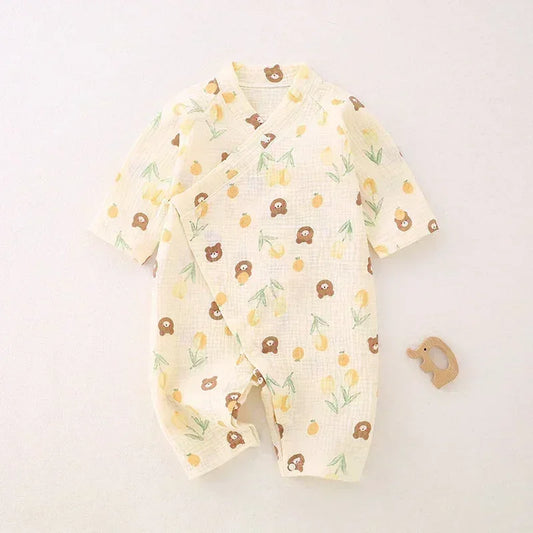
![[2-Pieces Set] 100% Cotton Long-Sleeve Kimono Romper - Blue & Blue Stripe](http://www.organiccottonclubs.com/cdn/shop/files/2_afd198b870f106588ecfc526d714b7a8.jpg?v=1764440625&width=533)


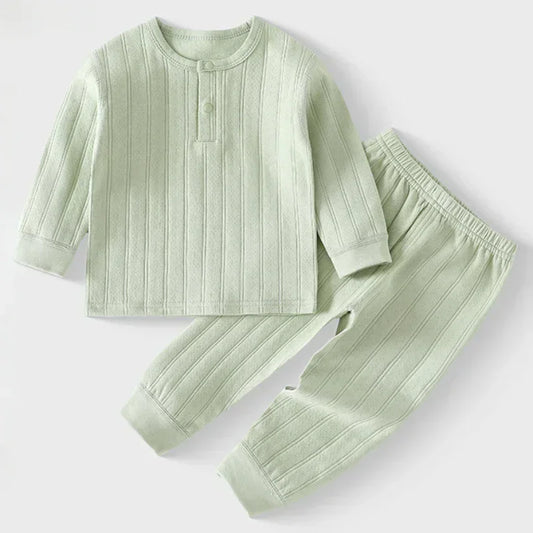
![[2-Pieces Set] 100% Cotton Long Sleeve Side-Snap Bodysuit - Pink & Pink Stripe](http://www.organiccottonclubs.com/cdn/shop/files/2_e34e329d03103a1ef2a830ed0f72d8f4.jpg?v=1759165907&width=533)
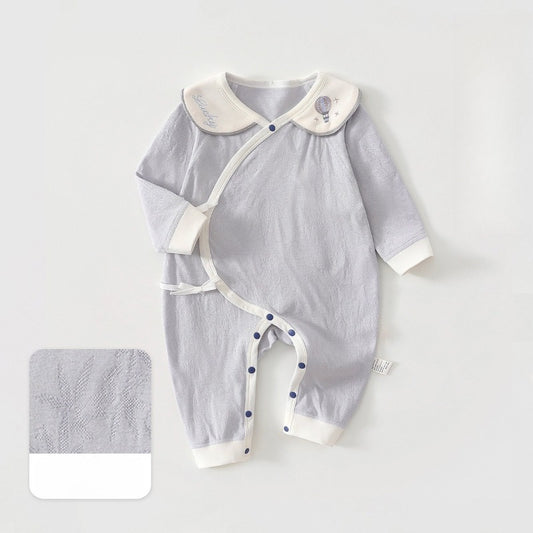
![[2-Pieces Set] 100% Cotton Long Sleeve Snapup Romper - Green & Green Stripe](http://www.organiccottonclubs.com/cdn/shop/files/4_dcde8d24f74c34bd214567f4011b27d7.jpg?v=1759166636&width=533)