


Why Your Baby’s Skin is 5x Thinner Than Yours
Share
The Invisible Vulnerability: Why Your Baby’s Skin is 5x Thinner Than Yours
The moment you first touch your newborn’s skin, you realize its incredible softness. It is one of the most miraculous aspects of a new life. However, that velvety texture hides a biological reality that every parent needs to understand: a baby’s skin is up to five times thinner than an adult’s. This isn’t just a fun fact; it is a critical health consideration that dictates how we should clothe, bathe, and protect our children during their most formative years.
The Hidden Struggle of the Newborn Skin Barrier
As a parent, you strive to provide the safest environment possible. You research the best car seats and the most nutritious milk, but often, the most persistent threat is the one touching them 24/7—their clothing. Because a baby's skin is so thin, its protective barrier is significantly less effective than ours. This means their skin is more permeable, making them highly susceptible to dryness, irritants, and environmental toxins.
Many parents struggle with mysterious rashes, cradle cap, or infant eczema without realizing that the culprit might be the very fabric their baby is wrapped in. Standard, mass-produced baby clothes are often treated with a cocktail of chemicals, from flame retardants to harsh synthetic dyes, all of which can easily penetrate that thin dermal layer.
The Danger of 'Cheap' Fabrics
Why does fabric choice matter so much? When you use synthetic materials like polyester or conventional cotton treated with pesticides, you are placing those chemicals in direct contact with a highly absorbent surface. Because a baby’s surface-area-to-weight ratio is much higher than an adult’s, the relative dose of chemical absorption is significantly more intense. Conventional cotton is often called the 'world’s dirtiest crop' due to the heavy use of insecticides. These residues don't always wash out; they linger in the fibers, causing microscopic abrasions and chemical sensitivities on your baby’s delicate body.
The Organic Cotton Solution: Nature’s Purest Shield
Switching to high-quality, GOTS-certified organic cotton isn't just a lifestyle choice; it's a preventative health measure. Organic cotton is grown without toxic pesticides and processed without the heavy metals and chlorine bleaches found in fast fashion. Here is why it is the gold standard for your baby’s 5x thinner skin:
- Hypoallergenic Properties: Organic fibers are free from the chemical triggers that cause contact dermatitis and allergic reactions.
- Superior Breathability: Unlike synthetics that trap heat and moisture, organic cotton allows for natural thermoregulation, preventing heat rashes.
- Unmatched Softness: Without the chemical 'scorching' used in mass production, the natural fibers remain long and smooth, reducing friction against sensitive skin.
- Chemical-Free Comfort: Peace of mind knowing that no formaldehyde or heavy metal dyes are leaching into your baby’s bloodstream.
Final Thoughts
Understanding the fragility of your baby’s skin is the first step toward creating a truly safe haven for them. By choosing materials that respect their biological needs, you are not just buying clothes; you are protecting their developing immune system and ensuring their comfort. Your baby’s skin is their first line of defense—let’s make sure it’s covered in nothing but the best.
[INSERT CALL TO ACTION HERE: E.G., SHOP OUR ORGANIC NEWBORN COLLECTION]
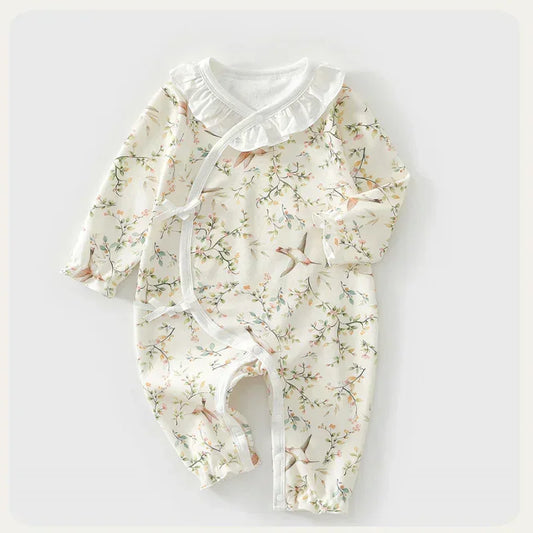
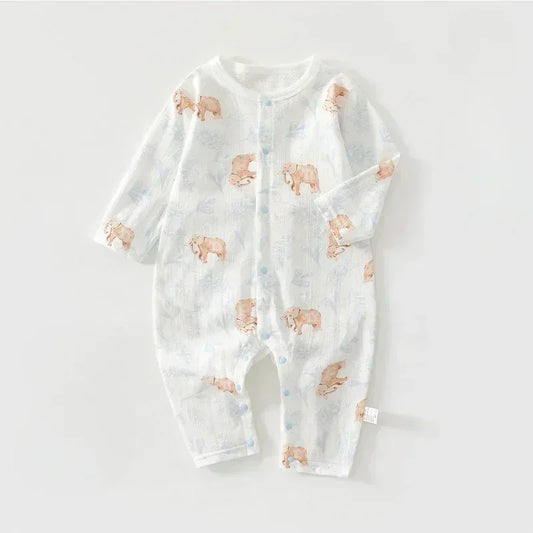
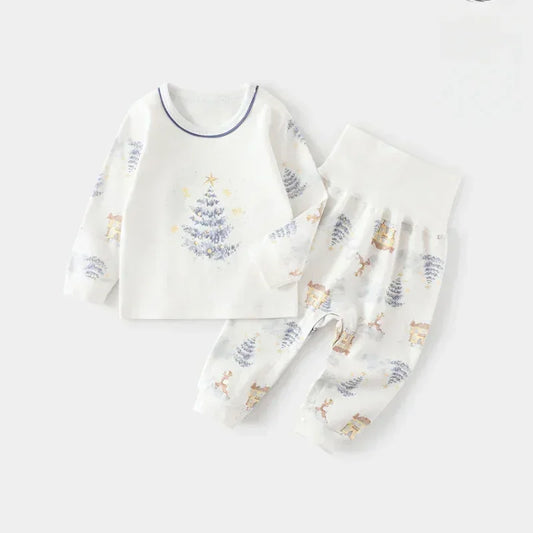
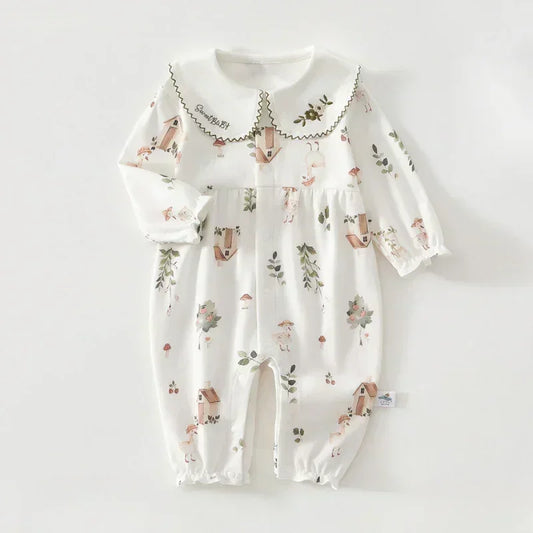
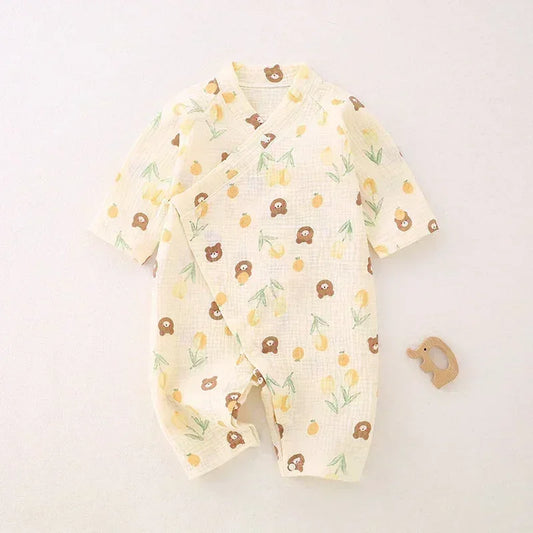
![[2-Pieces Set] 100% Cotton Long-Sleeve Kimono Romper - Blue & Blue Stripe](http://www.organiccottonclubs.com/cdn/shop/files/2_afd198b870f106588ecfc526d714b7a8.jpg?v=1764440625&width=533)


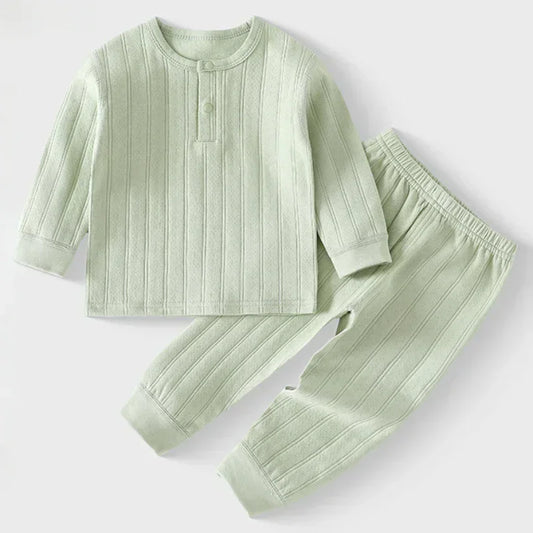
![[2-Pieces Set] 100% Cotton Long Sleeve Side-Snap Bodysuit - Pink & Pink Stripe](http://www.organiccottonclubs.com/cdn/shop/files/2_e34e329d03103a1ef2a830ed0f72d8f4.jpg?v=1759165907&width=533)
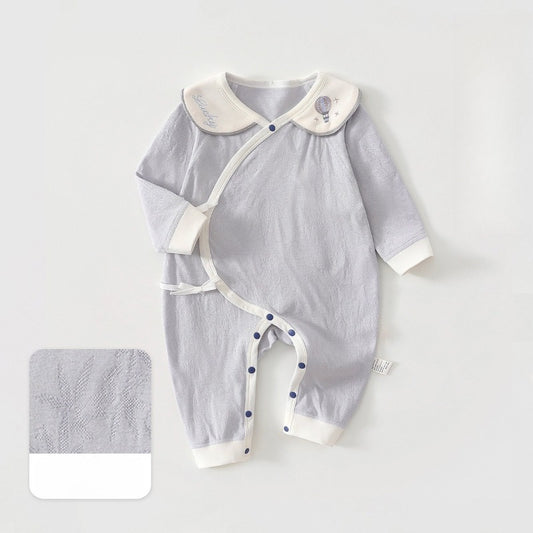
![[2-Pieces Set] 100% Cotton Long Sleeve Snapup Romper - Green & Green Stripe](http://www.organiccottonclubs.com/cdn/shop/files/4_dcde8d24f74c34bd214567f4011b27d7.jpg?v=1759166636&width=533)