


Winter Layering Guide: Keeping baby warm indoors without overheating.
Share
The Indoor Balancing Act: Keeping Your Baby Cozy, Not Toasty
As the temperature drops, a parent's instinct is to bundle up their precious little one. But when you're indoors, finding that perfect balance between warm-and-cozy and hot-and-fussy can be a challenge. The goal is simple: keep your baby comfortable and safe without the risk of overheating. This guide will walk you through the art of indoor layering, focusing on the incredible benefits of organic cotton and the safety checks that will give you peace of mind.
Why Overheating Is a Serious Concern
While we worry about our babies getting cold, overheating is a significant and often overlooked risk. A baby's body isn't yet efficient at regulating its own temperature. Overheating can lead to discomfort, heat rash, and, most critically, is linked to an increased risk of Sudden Infant Death Syndrome (SIDS). This is why mastering light, breathable layers is far safer than one single, heavy outfit, especially for sleep.
The Magic of Layering: Your Core Strategy
The principle of layering is adaptability. Instead of one thick snowsuit-style sleeper, you use several thin layers that can be added or removed as the ambient temperature changes or as your baby's activity level shifts from napping to playing. This gives you complete control over their comfort.
The Base Layer: Why Organic Cotton is King
The layer closest to your baby's delicate skin is the most important. This is where organic cotton truly shines. Unlike synthetic fabrics like polyester which can trap heat and moisture, organic cotton is a natural, breathable fiber. Here’s why it’s the perfect foundation:
- Breathability: Organic cotton allows air to circulate, wicking moisture away from the skin and helping to prevent overheating and clamminess.
- Hypoallergenic: Grown without harsh pesticides and chemicals, it's incredibly gentle on sensitive newborn skin, reducing the risk of irritation and eczema.
- Unmatched Softness: The fibers of organic cotton are softer and more durable, ensuring ultimate comfort for your little one, wash after wash.
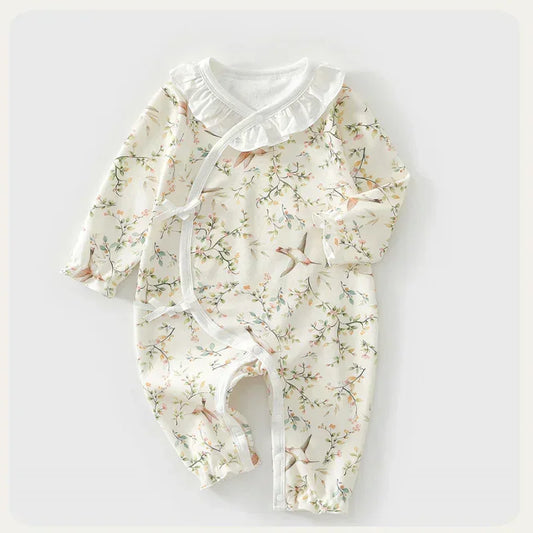
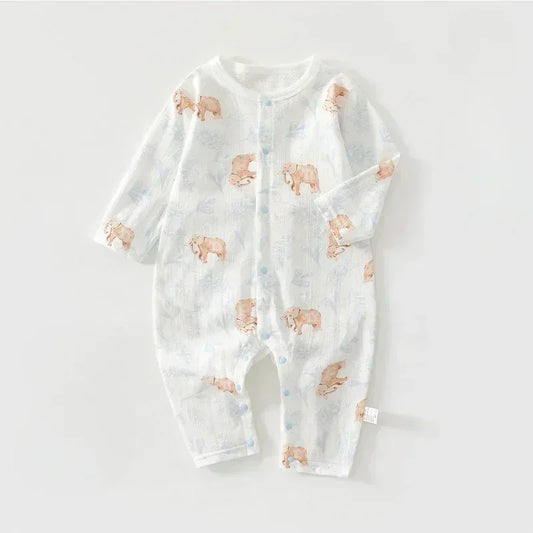
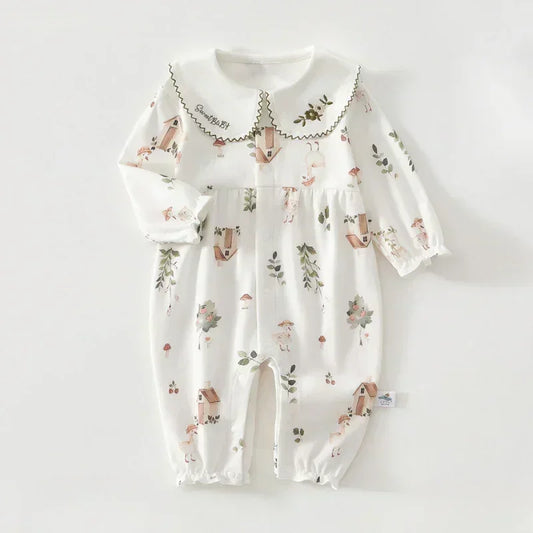
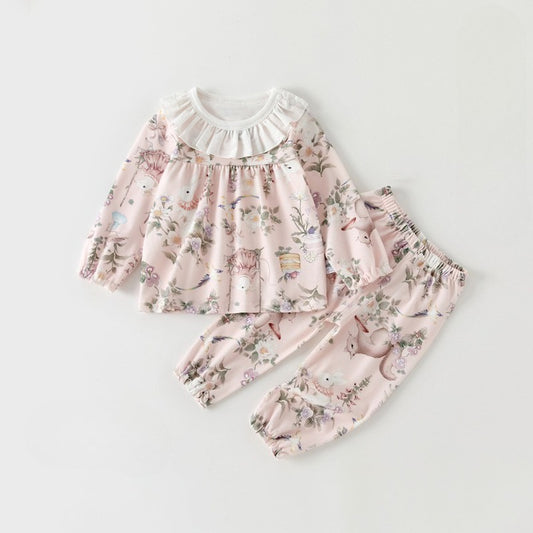
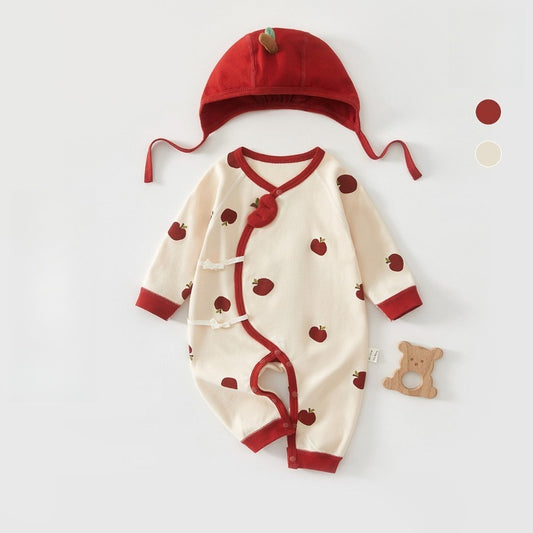
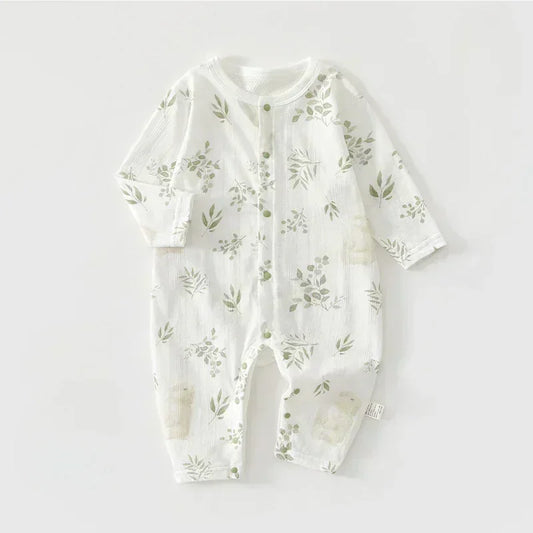
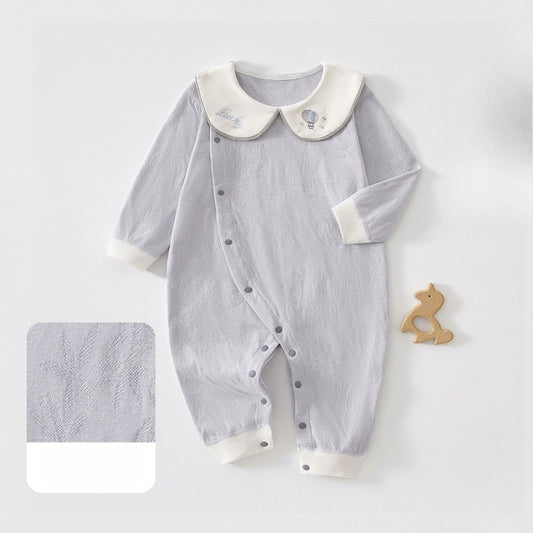
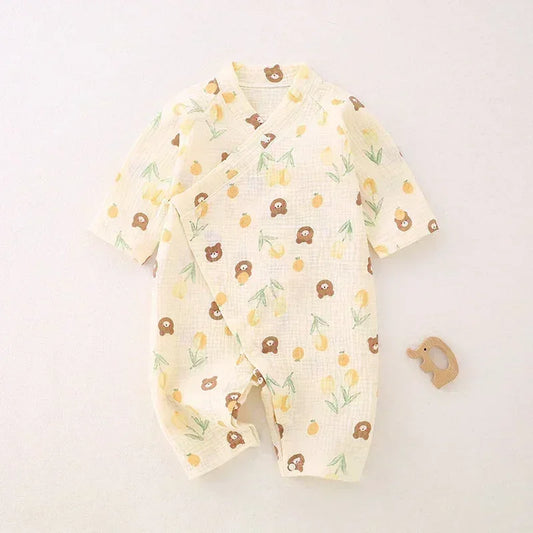
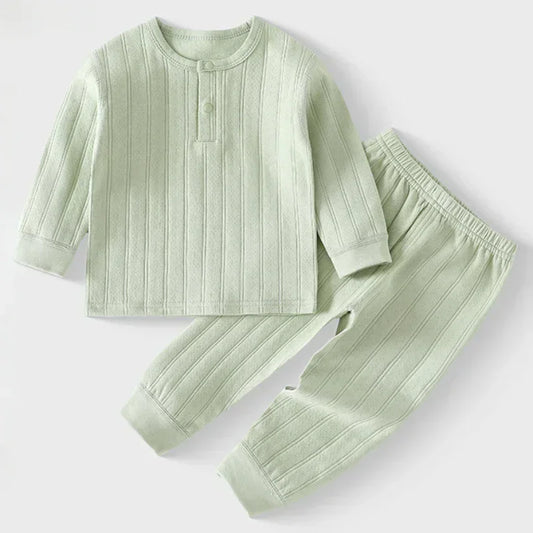
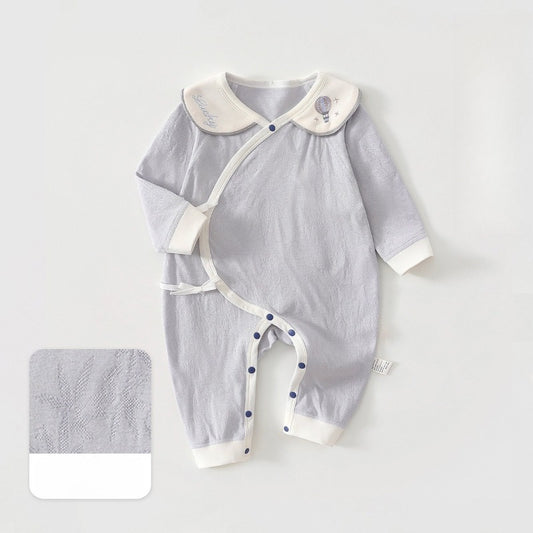
Start with a soft, long-sleeved organic cotton bodysuit or one-piece footie pajama as the perfect first layer.
The Middle Layer: Adding Flexible Warmth
This is your adjustable warmth layer. Depending on how cool your home is, you can add a light sweater, a zip-up hoodie, or a sleep sack (for naps and bedtime). Again, natural fibers are your friend. A lightweight organic cotton cardigan or a fleece vest (worn over the cotton base) provides warmth without bulk. The key is that this layer can be easily removed if you notice your baby is getting too warm.
The Final Check: The Neck and Back Test
How can you tell if your baby is comfortable? Don't trust their hands or feet! It's normal for a baby's extremities to feel cool to the touch due to their developing circulatory system. Instead, place two fingers on the back of their neck or on their tummy. If their skin feels hot, sweaty, or clammy, it's time to remove a layer. If it feels cool, you might consider adding one. This simple check is the most reliable way to gauge their core temperature.
Sample Indoor Outfits for Different Room Temperatures
Here are a few simple combinations to get you started, assuming a standard room temperature of 68-72°F (20-22°C):
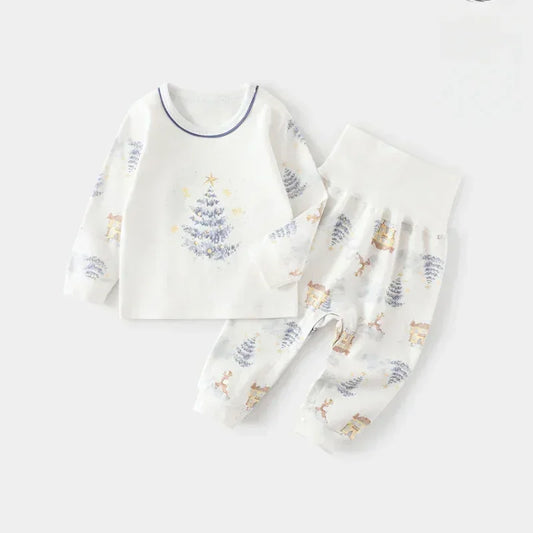
- Playtime: A long-sleeved organic cotton bodysuit paired with soft cotton pants and socks. Have a light cardigan nearby.
- Naptime: A long-sleeved organic cotton footie pajama. For cooler rooms, place them in a lightweight, wearable blanket or a 1.0 TOG sleep sack over the pajama.
- A Chilly Day: Start with the organic cotton bodysuit, add soft pants, and then a lightweight long-sleeved sweater or zip-up.
Safe Sleep Layering: A Crucial Reminder
The rules of safe sleep always apply. The crib should be completely free of loose blankets, pillows, and bumpers. A sleep sack or wearable blanket is the perfect and safest way to keep your baby warm while they sleep. It acts as a wearable comforter that can't be kicked off or cover their face. Choose the TOG (Thermal Overall Grade) of the sleep sack based on the temperature of the room, not the season outside.
Your Winter Warmth Checklist
Navigating your baby's first winter doesn't have to be stressful. By focusing on smart, breathable layers, you can ensure they are safe, comfortable, and perfectly cozy all season long. Remember these key takeaways:
- Start with Softness: Always use a breathable organic cotton base layer.
- Think Thin Layers: Two or three thin layers are better than one thick one.
- Perform the Neck Check: Feel the back of their neck or their tummy to gauge their true temperature.
- Sleep Safe: Use a sleep sack in a bare crib for all naps and nighttime sleep.
With these tips, you'll become a layering pro in no time, giving you the confidence that your baby is just right, all winter long.
![[2-Pieces Set] 100% Cotton Long-Sleeve Kimono Romper - Blue & Blue Stripe](http://www.organiccottonclubs.com/cdn/shop/files/2_afd198b870f106588ecfc526d714b7a8.jpg?v=1764440625&width=533)


![[2-Pieces Set] 100% Cotton Long Sleeve Side-Snap Bodysuit - Pink & Pink Stripe](http://www.organiccottonclubs.com/cdn/shop/files/2_e34e329d03103a1ef2a830ed0f72d8f4.jpg?v=1759165907&width=533)
![[2-Pieces Set] 100% Cotton Long Sleeve Snapup Romper - Green & Green Stripe](http://www.organiccottonclubs.com/cdn/shop/files/4_dcde8d24f74c34bd214567f4011b27d7.jpg?v=1759166636&width=533)