

Your Baby Clothes Stink Because You're Washing Them Wrong.
Share
The Frustrating Truth: Why Your Baby Clothes Still Smell After Washing
You have done the laundry three times this week, yet that sour, milky odor lingers on your little ones favorite onesies. It is a common frustration for parents everywhere: you think you are cleaning, but you are actually just trapping odors deeper into the fabric. The reality is that your baby clothes stink because your washing routine is likely working against the physics of the fabric. As a parent, you want nothing but the best for your childs skin and comfort, but the standard 'pour and press' method of laundry isn't cutting it for the unique biological messes babies create. When you are dealing with spit-up, diaper leaks, and sweat, you need a strategy that actually removes bacteria rather than just masking it with synthetic fragrances.
The Hidden Problem: Why Traditional Washing Fails
Most parents assume that more soap equals cleaner clothes. In reality, using too much detergent is the number one cause of smelly laundry. Excess detergent creates a sticky residue—a biofilm—that traps bacteria and body oils deep within the fibers. When you use cheap, synthetic fabrics like polyester or nylon, these odors become nearly permanent because plastic-based fibers are hydrophobic, meaning they repel water but attract oil. This creates a perfect breeding ground for bacteria that thrives in the moisture of a nursery. Worse, these trapped bacteria and chemical residues can irritate your babys delicate skin, leading to rashes, eczema flares, or general discomfort. If you are noticing a persistent funk even after a heavy cycle, your fabric choice and soap amount are likely working against you.
Agitation: Why Cheap Materials Hurt Your Baby and Your Routine
Synthetic blends are often treated with fire retardants and moisture-wicking chemicals that make them feel soft in the store but act like magnets for odors in the real world. Because these fibers are essentially plastic, they do not breathe. When your baby sweats, the moisture sits on the skin and gets trapped in the tight weave of the synthetic fabric. Over time, the heat from your dryer 'bakes' these smells into the plastic fibers, making them almost impossible to remove. This is the 'agitation' phase of the struggle: you are spending money on expensive detergents to fix a problem caused by low-quality, non-organic materials. Transitioning to 100% organic cotton is not just a style choice; it is a functional necessity for a clean, odor-free home.
The Solution: The Organic Cotton Difference and Proper Care
Organic cotton is the gold standard for a reason. Its natural fibers are breathable and release organic matter during the wash cycle far better than synthetics. Because organic cotton is hydrophilic, it allows water and detergent to pass through the fibers, lifting away milk proteins and oils rather than locking them in. To reclaim your laundry room, follow this Senior Strategist approved routine:
- Switch to 100% Organic Cotton: Start with a base of high-quality fabrics that are designed to breathe and release stains naturally.
- Use Enzyme-Based Detergents: Standard detergents just move dirt around. Look for plant-based enzymes like protease, which specifically breaks down the proteins found in breastmilk and formula.
- The Half-Cap Rule: Use only half the recommended amount of detergent. This prevents the 'suds lock' that stops your machine from rinsing properly.
- The Vinegar Rinse: Instead of chemical fabric softeners—which add a waxy, odor-trapping layer—add a half-cup of white distilled vinegar to the softener compartment. It neutralizes odors and softens fabric naturally.
- Strip the Build-up: Once a month, soak your baby clothes in a tub of warm water with a cup of baking soda to lift any deep-seated residues.
- Sunlight as a Disinfectant: Whenever possible, line dry clothes in the sun. UV rays are nature's most powerful deodorizer and bleach alternative.
Final Thoughts
Your baby deserves to be wrapped in pure, breathable freshness, not chemical-laden scents masking hidden bacteria. By switching to high-quality organic cotton and refining your wash process to focus on fiber health rather than soap volume, you can finally say goodbye to the stink. Clean clothes are the foundation of a healthy nursery and a happier, more comfortable baby. Invest in better fabrics today, and you will spend less time scrubbing and more time snuggling.
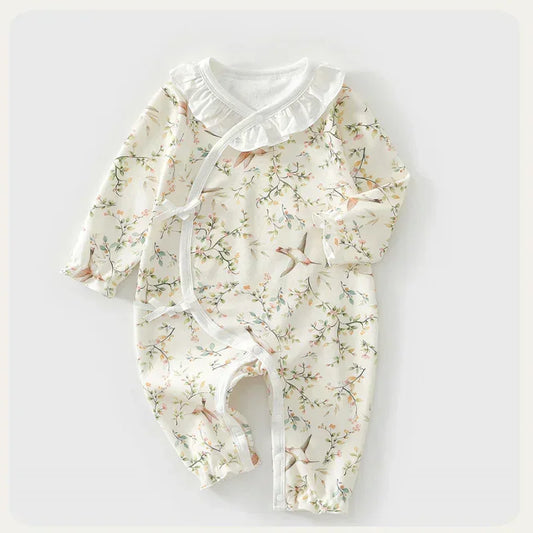
![[2-Pieces Set] 100% Cotton Long-Sleeve Kimono Romper - Blue & Blue Stripe](http://www.organiccottonclubs.com/cdn/shop/files/2_afd198b870f106588ecfc526d714b7a8.jpg?v=1764440625&width=533)


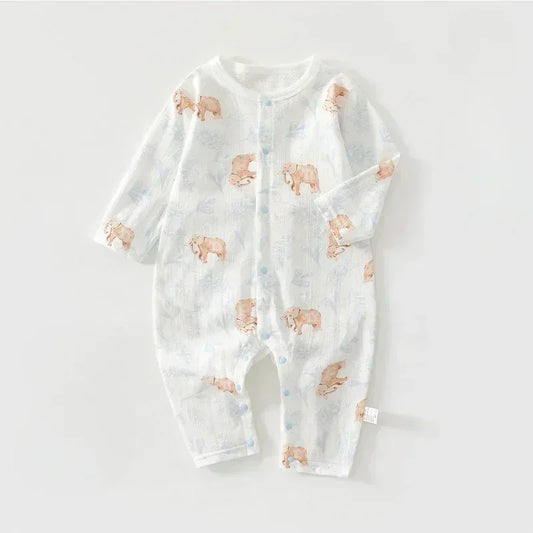
![[2-Pieces Set] 100% Cotton Long Sleeve Side-Snap Bodysuit - Pink & Pink Stripe](http://www.organiccottonclubs.com/cdn/shop/files/2_e34e329d03103a1ef2a830ed0f72d8f4.jpg?v=1759165907&width=533)
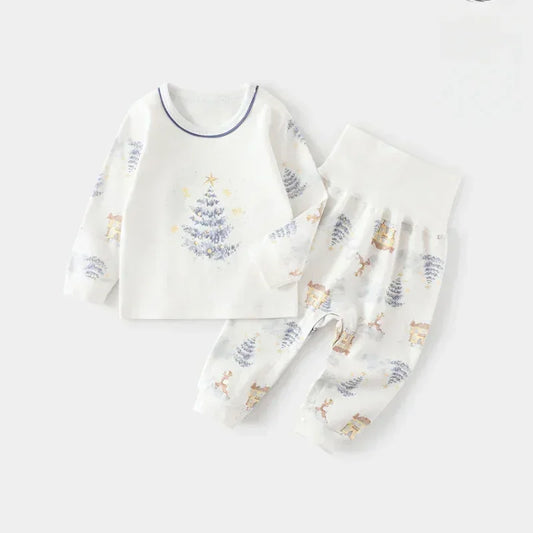
![[2-Pieces Set] 100% Cotton Long Sleeve Snapup Romper - Green & Green Stripe](http://www.organiccottonclubs.com/cdn/shop/files/4_dcde8d24f74c34bd214567f4011b27d7.jpg?v=1759166636&width=533)