


Your Baby Clothes Stink Because You're Washing Them Wrong.
Share
You have spent hours curated the perfect nursery and selecting the softest outfits for your little one, only to find that after a few weeks, a persistent, sour smell has taken up residence in the fabric. No matter how many times you run the cycle, that damp, milky odor remains. It is a frustrating parenting struggle that most people do not talk about: your baby clothes stink because you are washing them wrong. This is not just about a bad smell; it is a sign that bacteria and chemical residues are living in the very clothes touching your baby's sensitive skin.
Why Do 'Clean' Baby Clothes Smell Funky?
The problem usually starts with the fabric itself and the products we think are helping. Most mass-market baby clothes are made from synthetic blends or conventional cotton treated with harsh chemicals. These materials are designed for durability and low cost, not for breathability or cleanliness. When your baby spits up or sweats, these synthetic fibers act like a magnet for oils and proteins. Because the fibers are essentially plastic-based, they trap these organic materials deep within the weave, creating a 'biofilm' that standard detergents cannot penetrate.
The Trap of Synthetic Fabrics and Chemical Coatings
Traditional baby clothing is often treated with flame retardants and wrinkle-resistant chemicals. These coatings create a barrier that prevents water from fully flushing out the fibers. When you combine this with the agitation of a heavy-duty wash, the odors are not washed away; they are simply redistributed. Over time, these trapped bacteria can cause skin irritation, rashes, and that signature 'stinky laundry' smell that seems impossible to break.
The Agitation: Why Cheap Materials Hurt Your Baby
It is tempting to grab the multi-pack of cheap onesies, but those materials are often the primary culprit for lingering smells. Cheap synthetic fibers do not allow for the same airflow as natural fibers. This lack of ventilation means moisture stays trapped against the baby's skin longer, leading to more bacteria growth and a stronger odor profile. Furthermore, the chemical residues in these fabrics can react with detergents to create a waxy buildup that attracts more dirt, making your 'clean' laundry dirtier with every wash.
The Solution: Organic Cotton and Smarter Washing Habits
The first step to a fresh-smelling nursery is switching to high-quality, 100% organic cotton. Organic cotton fibers are naturally porous and lack the chemical sealants found in conventional clothing. This means that when you wash them, the water and detergent can actually pass through the fibers, lifting away milk proteins and skin oils effectively. Here is how to fix your routine for good:
- Use a Gentle, Enzyme-Based Detergent: Look for detergents specifically designed to break down biological stains like milk and spit-up. Avoid heavy fragrances which only mask odors.
- Ditch the Fabric Softener: Fabric softener is a waxy coating that seals odors inside the fabric. For organic cotton, use half a cup of white vinegar in the rinse cycle instead. It acts as a natural softener and kills odor-causing bacteria.
- Wash in Warm, Not Cold: While cold water is eco-friendly, milk proteins require a bit of heat to break down. Wash stinky loads in warm water to ensure the proteins are fully released from the cotton fibers.
- Air Dry in Sunlight: Whenever possible, hang your organic baby clothes in the sun. UV rays are a natural disinfectant and are incredibly effective at neutralizing stubborn smells.
Why Organic Cotton is Your Secret Weapon
Organic cotton does not just smell better; it feels better. Because the fibers are not beaten down by harsh chemicals during production, they remain strong, soft, and highly absorbent. This absorbency is key: it allows the fabric to pull moisture away from your baby's skin and then release it completely during the wash cycle. By investing in organic pieces, you are reducing the bacterial load in your home and providing a safer, cleaner environment for your child's skin to breathe.
Final Thoughts
If your baby's laundry has a persistent funk, do not reach for more scented beads or stronger chemicals. Instead, look at the tags and your technique. By choosing breathable organic cotton and avoiding the waxy buildup of traditional softeners, you can keep your baby's wardrobe smelling as fresh as a spring morning. Your baby's skin—and your nose—will thank you.
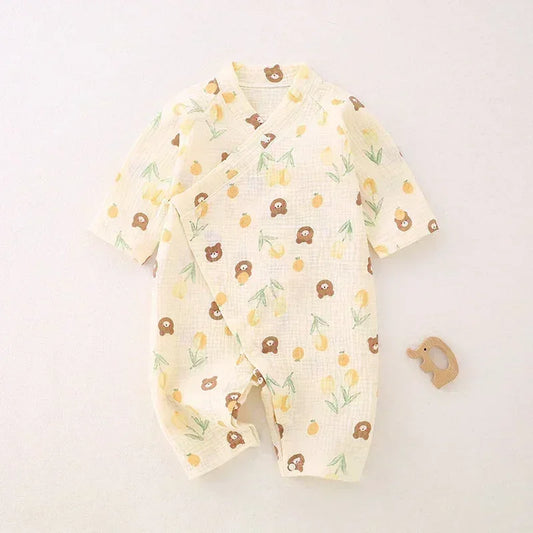
![[2-Pieces Set] 100% Cotton Long-Sleeve Kimono Romper - Blue & Blue Stripe](http://www.organiccottonclubs.com/cdn/shop/files/2_afd198b870f106588ecfc526d714b7a8.jpg?v=1764440625&width=533)


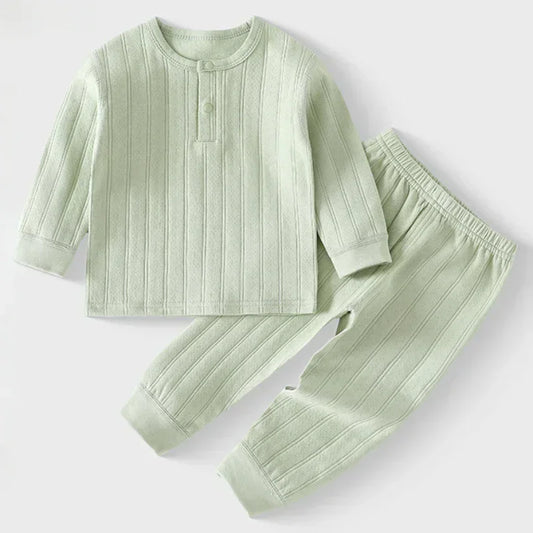
![[2-Pieces Set] 100% Cotton Long Sleeve Side-Snap Bodysuit - Pink & Pink Stripe](http://www.organiccottonclubs.com/cdn/shop/files/2_e34e329d03103a1ef2a830ed0f72d8f4.jpg?v=1759165907&width=533)
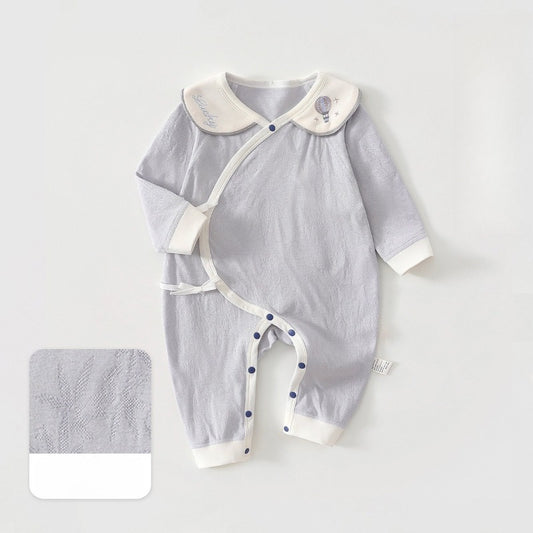
![[2-Pieces Set] 100% Cotton Long Sleeve Snapup Romper - Green & Green Stripe](http://www.organiccottonclubs.com/cdn/shop/files/4_dcde8d24f74c34bd214567f4011b27d7.jpg?v=1759166636&width=533)